You Won’t Believe What I Found Shopping in Mendoza’s Hidden Architectural Gems
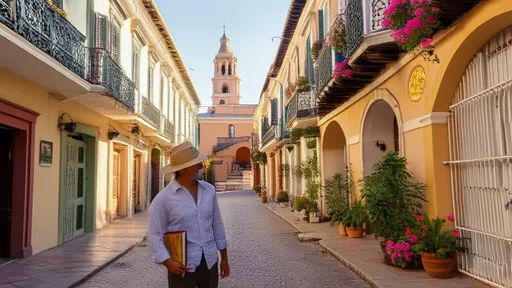
Walking through Mendoza, I wasn’t just hunting for souvenirs—I was falling in love with the city’s soul. Between sun-drenched plazas and tree-lined avenues, every boutique and market stall sat beneath stunning architecture that whispered stories of history and charm. Who knew shopping could feel like wandering through an open-air art gallery? This is way more than retail—it’s a sensory journey through design, culture, and local life. The rhythm of footsteps on cobblestone, the dappled shade of canopied sidewalks, the quiet elegance of iron-grilled balconies overhead—all of it transforms a simple afternoon stroll into something poetic. In Mendoza, commerce and beauty are not separate; they are woven together in a city that values both function and form.
First Impressions: Mendoza’s Architectural Vibe Meets Urban Shopping
Mendoza greets visitors with a sense of calm order, a city shaped as much by seismic necessity as by aesthetic intention. Rebuilt after the devastating earthquake of 1930, its urban fabric reflects a deliberate embrace of openness, resilience, and light. The city’s planners, learning from tragedy, prioritized wide avenues, low-rise buildings, and earthquake-resistant construction techniques, which inadvertently gave rise to a uniquely walkable and visually harmonious environment. Today, this layout forms the backbone of an exceptional shopping experience—one where architecture is not just a backdrop but an active participant in the journey.
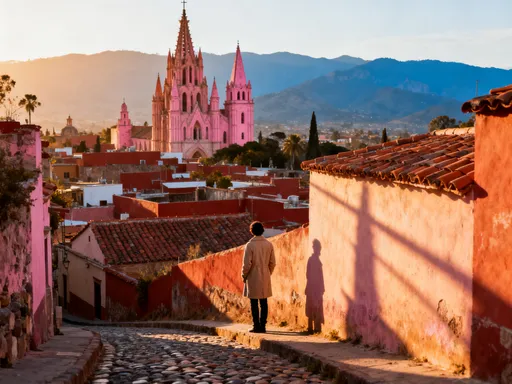
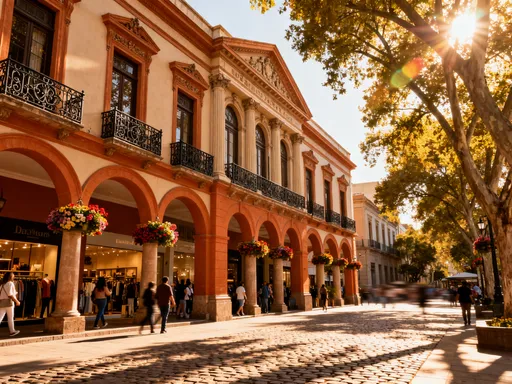
The Spanish colonial influence remains evident in the rhythmic facades, central plazas, and courtyard-style homes, yet these elements blend seamlessly with modernist touches introduced during the reconstruction era. Buildings rarely rise above four stories, preserving human scale and ensuring that sunlight filters generously onto sidewalks. This deliberate restraint enhances the comfort of pedestrians, making shopping feel less like a chore and more like a leisurely exploration. Tree-lined streets, especially along Avenida Arístides Villanueva and surrounding blocks, create natural canopies that soften the Andean sun, inviting shoppers to linger without discomfort.
What sets Mendoza apart is how its architectural identity supports commerce without sacrificing charm. Unlike cities where retail dominates at the expense of beauty, Mendoza integrates shops into structures that honor the past while serving the present. Iron railings, carved wooden doors, and stucco walls with subtle detailing are common features, each contributing to a streetscape that feels curated rather than commercialized. Even everyday storefronts often include arched entryways or decorative cornices, suggesting that beauty is not reserved for monuments but woven into daily life.
This thoughtful balance between safety, aesthetics, and usability makes Mendoza a model of urban design. The city’s reconstruction was not merely about rebuilding—it was about reimagining what a modern Latin American city could be. And in doing so, it created an environment where shopping becomes a cultural act, where every step reveals layers of history, resilience, and care for the public realm.
The Heart of Retail: Mendoza’s Main Shopping Streets and Their Design Language
If Mendoza’s soul lies in its architecture, then its pulse beats strongest along Avenida Sarmiento, the city’s primary commercial artery. Stretching through the heart of downtown, this broad boulevard is lined with a rich tapestry of architectural styles that reflect over a century of evolution. Here, neoclassical façades with symmetrical columns stand shoulder to shoulder with art deco buildings adorned with geometric motifs and stylized reliefs. Modern glass-fronted stores add a sleek contrast, yet they rarely overwhelm—their designs often incorporate regional materials and muted tones that respect the surrounding context.
What makes shopping on Sarmiento so distinctive is not just the variety of goods but the way the built environment enhances the experience. The consistent building height—typically three to four stories—creates a sense of enclosure without confinement, allowing natural light to reach street level while maintaining a human scale. Wide sidewalks, often paved with durable stone or textured concrete, provide ample space for window displays, outdoor seating, and pedestrian movement. Benches shaded by jacaranda or plane trees offer rest points, turning what might be a transactional errand into a relaxed urban promenade.
Materials play a crucial role in defining the street’s character. Stucco walls in warm ochre, terracotta, and cream tones dominate, reflecting the region’s Mediterranean influences. Exposed brick appears in more industrial-style buildings, particularly in adaptive reuse projects where old warehouses have been converted into design studios or concept stores. Wrought iron is a recurring motif, seen in balcony railings, gatework, and even modern signage, adding a handcrafted elegance that contrasts beautifully with the precision of glass and steel.
Equally important is the integration of greenery. Many buildings feature planter boxes, climbing vines, or rooftop gardens, softening hard edges and improving air quality. Some newer retail spaces are designed with vertical gardens or internal courtyards that bring nature into the shopping experience. These elements do more than beautify—they contribute to thermal comfort, reducing the urban heat effect and making outdoor shopping pleasant even during the warmer months. The result is a streetscape that feels alive, where architecture doesn’t just house commerce but enhances it through thoughtful design.
Markets with Character: Where Local Craft Meets Historic Settings
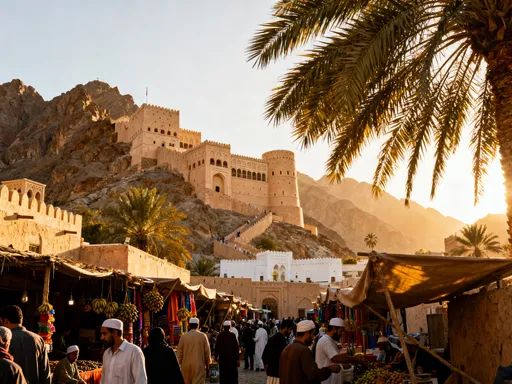
While boutiques offer curated elegance, Mendoza’s markets provide a different kind of richness—one rooted in tradition, community, and sensory abundance. The Mercado Central, located near the city center, stands as a prime example of how commerce and heritage coexist. Housed in a structure that blends early 20th-century industrial design with regional craftsmanship, the market is covered by a series of vaulted ceilings supported by steel trusses, allowing natural light to filter through skylights. Inside, the air hums with activity: vendors call out prices, the scent of fresh herbs and grilled meat fills the air, and colorful displays of produce, cheese, and wine create a living mosaic of local life.
The building itself tells a story of continuity. Its tile roof, wooden beams, and stone foundation reflect traditional construction methods adapted for durability and function. Unlike sterile supermarkets, this space feels grounded in history, its worn floors and high ceilings bearing witness to decades of daily exchange. Yet it is far from frozen in time—modern refrigeration, hygiene standards, and digital payment systems operate seamlessly within the historic shell. This balance ensures that the market remains relevant without losing its soul.
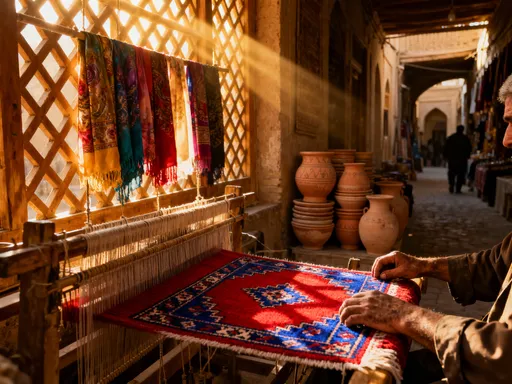
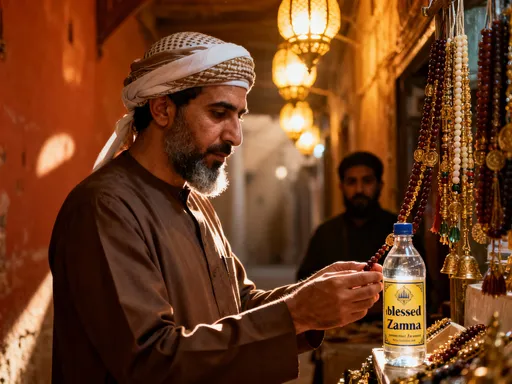
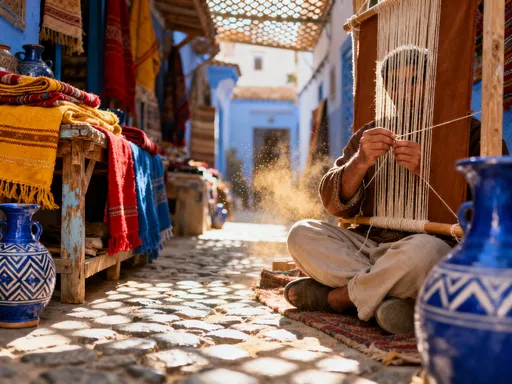
Here, shopping is not just about acquisition; it is an engagement with culture. Artisans sell handwoven textiles, leather goods, and ceramic ware, often made using techniques passed down through generations. Regional wines, particularly Malbec, are available directly from local producers, sometimes poured for tasting at small counters tucked between stalls. The experience is intimate, personal, and deeply authentic—a stark contrast to the impersonal nature of mass retail.
Other smaller markets, such as those found in neighborhood plazas or weekend artisan fairs, replicate this spirit on a more intimate scale. Often set in or near restored colonial buildings or shaded public squares, these gatherings transform ordinary spaces into vibrant hubs of commerce and connection. The architecture frames the experience, providing shelter, orientation, and a sense of place. In these settings, the boundary between tourist and local blurs, as everyone becomes part of the rhythm of market day.
Boutique Culture in Restored Heritage Buildings
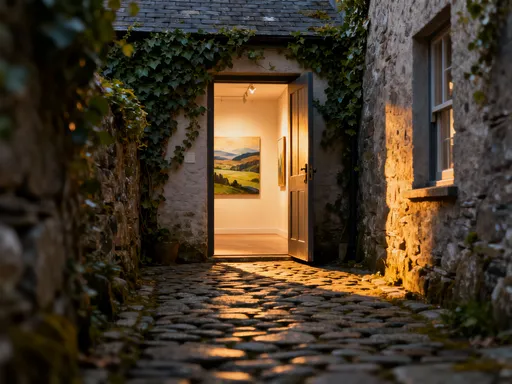
Scattered throughout Mendoza’s residential and commercial districts are small, independent boutiques that have found a home in restored early 20th-century buildings. These are not chain stores but carefully curated spaces where architecture and merchandise enhance one another. Many occupy former family homes, commercial offices, or corner shops that have been thoughtfully renovated to preserve original features while adapting to modern retail needs. Arched doorways, mosaic tile floors, interior courtyards, and high ceilings with exposed beams are common elements, each contributing to an atmosphere of quiet sophistication.
One of the most striking aspects of these boutiques is how the architecture becomes part of the brand. A clothing store housed in a 1920s townhouse might display garments in a sunlit courtyard, where natural light highlights fabric textures. A design shop in a former pharmacy could retain original cabinetry, repurposing antique drawers to display jewelry or stationery. These details do more than impress—they create a narrative, suggesting that what is being sold is not just a product but a piece of a larger story about craftsmanship, history, and intentionality.
Owners often work closely with architects and preservation specialists to ensure that renovations respect the building’s heritage. Original materials are repaired rather than replaced when possible, and new additions are designed to be reversible, adhering to conservation best practices. This commitment reflects a broader cultural value: that beauty and utility need not be at odds, and that preserving the past can serve the present in meaningful ways.
For shoppers, the experience is immersive. There is a sense of discovery in navigating these spaces—of uncovering hidden corners, noticing intricate tile patterns, or pausing to admire a restored stained-glass window. The act of browsing feels slower, more deliberate, inviting reflection rather than impulse. In an age of fast fashion and digital shopping, these boutiques offer a counterpoint: a return to slowness, quality, and connection.
Modern Malls vs. Urban Fabric: How New Development Fits In
As Mendoza has grown, so too has its retail infrastructure. Modern shopping centers like Patio Olmos have emerged to meet the demands of contemporary consumers, offering climate-controlled environments, international brands, and convenience-focused layouts. Yet unlike in many cities where such developments disrupt the urban fabric, Mendoza’s newer malls have been designed with sensitivity to their surroundings. Patio Olmos, for instance, integrates open-air walkways, local stone cladding, and landscaped courtyards that echo the city’s tradition of outdoor living and architectural harmony.
The design philosophy behind these centers emphasizes blending rather than dominating. Rather than towering over the neighborhood, Patio Olmos maintains a low profile, with buildings arranged around central plazas that invite pedestrian movement. Glass facades are tempered with shading devices to reduce glare, and native plants are used in landscaping to support regional ecology. Even the color palette—earthy tones, soft grays, and warm beiges—draws from the natural landscape of the Andes and surrounding vineyards, ensuring visual continuity with the city’s aesthetic.
This approach represents a conscious effort to balance modernity with identity. While the mall offers the efficiency and variety expected of a 21st-century retail destination, it avoids the generic, placeless quality that plagues many commercial developments. Instead, it functions as an extension of the city’s public realm, hosting events, art exhibitions, and seasonal markets that draw both locals and visitors. Cafés spill onto terraces, children play in designated areas, and elders sit on shaded benches—activities that mirror those found in traditional plazas.
Still, a distinction remains between these centers and the organic retail streetscapes of downtown. The authenticity of browsing a family-run shop in a century-old building is different from the curated predictability of a mall corridor. Yet rather than seeing this as a competition, Mendoza treats both as complementary. The mall serves practical needs, while the historic districts offer cultural depth. Together, they form a layered retail ecosystem that caters to diverse preferences without sacrificing the city’s architectural integrity.
Beyond the Stores: Public Spaces That Elevate the Shopping Journey
What truly sets Mendoza apart is the way shopping is embedded within a network of public spaces that enrich the experience. Plazas, parks, and pedestrian pathways are not afterthoughts but essential components of the city’s retail landscape. Plaza Independencia, at the heart of downtown, serves as both a historic landmark and a social hub. Surrounded by significant buildings, including the Cathedral and City Hall, it offers fountains, shaded walkways, and benches where shoppers can pause, reflect, and recharge. The presence of street musicians, flower vendors, and occasional craft fairs adds life and spontaneity.
Further afield, Parque San Martín unfolds like a green lung, stretching over 400 hectares with tree-lined avenues, lakes, and recreational areas. While not a shopping district per se, it is deeply connected to the city’s commercial rhythm. Many visitors begin or end their shopping excursions here, strolling through its paths before or after browsing boutiques. Kiosks sell empanadas, ice cream, and local drinks, turning leisure and consumption into a seamless flow. The park’s design—inspired by French landscape architecture—emphasizes symmetry, visibility, and accessibility, making it welcoming to all ages and backgrounds.
These spaces provide more than rest; they offer rhythm. A day of shopping in Mendoza is not a linear progression from store to store but a dynamic movement between activity and repose, commerce and contemplation. The city’s planners understood that people do not thrive in environments of constant stimulation. By interspersing retail zones with tranquil oases, they created a cadence that feels natural and sustainable.
Moreover, these public areas reinforce a sense of civic pride and belonging. They are maintained with care, free to access, and designed for inclusivity. Whether one is buying a souvenir or simply enjoying the breeze under a pepper tree, the experience is framed by a shared appreciation for beauty, order, and community. In this way, shopping becomes part of a larger urban ritual—one that celebrates not just consumption but connection.
Why This Blend Matters: The Future of Shopping as Cultural Experience
Mendoza offers a powerful reminder that shopping does not have to be a hollow transaction. When architecture, history, and public life are thoughtfully integrated, commerce becomes a form of cultural engagement. Every building, plaza, and market stall tells a story—not just of what is for sale, but of who the city is and what it values. This approach enhances both tourism and local identity, creating a destination that feels authentic rather than manufactured.
In an era where global retail chains threaten to homogenize urban landscapes, Mendoza stands as a model of resistance through design. It proves that economic vitality and architectural preservation are not mutually exclusive. On the contrary, they reinforce each other. Shoppers are drawn not only by products but by atmosphere, by the pleasure of being in a place that cares about beauty, comfort, and heritage.
Other cities can learn from this balance. The lesson is not to reject modernity but to channel it with intention. New developments can respect scale, use local materials, and prioritize pedestrian experience. Historic buildings can be adapted, not abandoned. Markets can be supported as cultural institutions, not just economic ones. And public spaces can be treated as essential infrastructure, not luxuries.
Ultimately, the best shopping experiences are not measured by how much is bought, but by how deeply one feels connected to a place. In Mendoza, every stroll through a sunlit avenue, every pause in a shaded plaza, every discovery in a hidden boutique becomes a quiet celebration of urban life. It is a city that understands: when we honor the past, design for people, and invite slowness into our routines, we create spaces worth returning to—not just for what we can buy, but for how we feel while we wander.