Lost in the Magic of Iceland’s Golden Circle – You Won’t Believe What I Found
Stepping into Iceland’s Golden Circle feels like entering a living postcard—where geysers erupt without warning, glaciers whisper ancient secrets, and the land itself pulses with raw energy. This isn’t just a tourist route; it’s a journey through the soul of a nation shaped by fire and ice. From thundering waterfalls to tectonic rifts, every mile tells a story. I set out to explore not just the sights, but the hidden districts where locals live, breathe, and keep Iceland’s spirit alive. What I discovered went far beyond expectations.
Breaking the Tourist Bubble: Redefining the Golden Circle Experience
The Golden Circle is one of Iceland’s most celebrated routes, drawing travelers from across the globe to witness the country’s natural grandeur. Most visitors follow a predictable path: a stop at Thingvellir National Park, a few minutes watching Strokkur geyser erupt, and a photo at the edge of Gullfoss waterfall. While these landmarks are undeniably powerful, limiting the journey to this checklist means missing the deeper rhythm of the region. The true magic of the Golden Circle lies not only in its famous trio of attractions but in the quiet spaces between them—the farmsteads nestled in rolling hills, the steam rising from backyard hot pots, and the winding gravel roads that lead to unmarked trails known only to locals.
By stepping off the main highways and engaging with the surrounding communities, travelers gain access to a more authentic Iceland. In villages like Hveragerði and Laugarvatn, daily life unfolds in harmony with the geothermal forces beneath the surface. Residents heat their homes with natural hot water, grow vegetables in greenhouses powered by volcanic warmth, and gather at community pools after long winter days. These routines are not tourist performances; they are lived traditions that reflect resilience, ingenuity, and a profound connection to the land. Choosing to spend time in these areas transforms a sightseeing trip into a meaningful cultural exchange.
To truly redefine the Golden Circle experience, it’s essential to shift from passive observation to active participation. This means allowing extra time to wander, to strike up conversations at local cafés, and to support small businesses that sustain rural life. It means understanding that the beauty of Iceland isn’t confined to postcard views—it’s also in the warmth of a shared meal, the quiet of a country road at dawn, and the pride in a farmer’s voice when speaking about their land. When travelers embrace this mindset, the Golden Circle becomes less of a route and more of a revelation.
Thingvellir and the Echoes of History: Where Earth and Culture Split
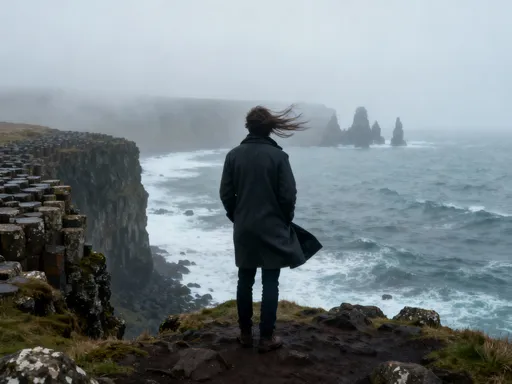
Thingvellir National Park stands as a monument to both geological wonder and national identity. Located in a rift valley formed by the separation of the North American and Eurasian tectonic plates, it is one of the few places on Earth where this immense geological process is visible above ground. Towering cliffs frame the landscape, marking the slow but relentless drift of continents. Visitors can walk along the Almannagjá gorge, stepping from one tectonic plate to another—an experience that is as symbolic as it is scientific. The park is not only a showcase of Earth’s inner forces but also a sacred space where history, democracy, and nature converge.
Long before it became a national park, Thingvellir was the site of the Alþingi, the ancient Icelandic parliament established in 930 AD. For over eight centuries, chieftains and citizens gathered here each summer to debate laws, settle disputes, and shape the foundations of Icelandic society. Unlike many early governing bodies, the Alþingi was not centralized in a city or palace but held in the open air, beneath the sky and beside the lake. This tradition reflected a deep respect for transparency, community, and the natural world. Even today, Thingvellir is regarded as the birthplace of Icelandic democracy, a place where the values of fairness, dialogue, and civic responsibility took root.
For modern Icelanders, Thingvellir is more than a historical site—it is a living symbol of national pride and continuity. Families visit to honor their ancestors, school groups come to learn about their heritage, and artists draw inspiration from the dramatic scenery. The park is also a place of quiet reflection, where the weight of time can be felt in the stillness between the rocks. Conservation efforts ensure that the area remains protected, with strict guidelines on construction, waste, and visitor impact. By preserving both its natural and cultural integrity, Iceland safeguards a legacy that belongs not only to its people but to humanity.
Geysir’s Thermal Wonderland: Nature’s Pulse in Real Time
The Geysir geothermal area is a landscape in constant motion. Steam rises from cracks in the earth, pools of water bubble and churn, and the scent of sulfur lingers in the air. Though the original Great Geysir now erupts only rarely, its younger neighbor Strokkur remains reliably active, shooting boiling water up to 30 meters into the sky every few minutes. Watching this natural spectacle is both thrilling and humbling—a reminder of the immense energy stored beneath the surface. But the real wonder of the area lies not just in the eruptions but in the entire ecosystem of thermal activity that surrounds them.
Walking through the geothermal field, visitors encounter a variety of features: fumaroles venting steam, mud pots gurgling with thick bubbles, and colorful mineral deposits staining the ground in shades of yellow, orange, and green. These hues come from microorganisms that thrive in extreme heat and acidity, forming microbial mats that are of great interest to scientists studying life in extreme environments. The ground itself feels warm underfoot, a constant reminder that Iceland sits atop one of the most volcanically active regions on the planet. This is not a static exhibit but a dynamic, breathing landscape shaped by forces that are still at work.
Beyond the natural phenomena, the Geysir area also offers glimpses into how Icelanders have learned to live with and benefit from geothermal energy. Nearby communities use underground heat to warm homes, grow food, and power industries. In some villages, residents maintain natural hot springs where families gather for relaxation and social connection. These traditions reflect a deep respect for the land’s power—not as something to be conquered, but as a resource to be understood and used wisely. For travelers, visiting a local hot spring or learning about geothermal farming adds a human dimension to the raw spectacle of nature.
Gullfoss: When Power Takes the Form of Beauty
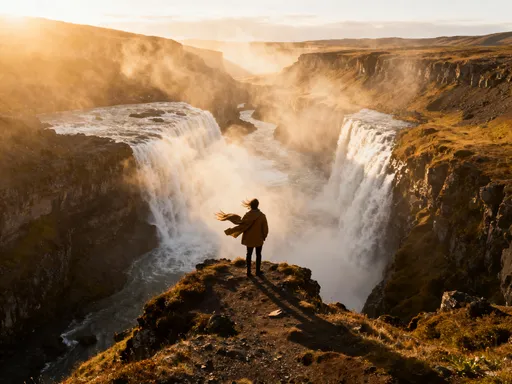
Gullfoss is not merely a waterfall—it is a force of nature made visible. The Hvítá River, fed by the Langjökull glacier, rushes across a plateau before plunging in two dramatic stages into a narrow canyon over 30 meters deep. The sheer volume of water creates a thunderous roar that echoes for miles, and the mist rises like a ghostly veil, often forming rainbows in the sunlight. Standing at the viewing platforms, visitors feel the spray on their skin and the vibration in their bones—a visceral reminder of nature’s raw power. Unlike many waterfalls that are admired from a distance, Gullfoss invites a physical, almost primal response.
The story of Gullfoss is also one of courage and conservation. In the early 20th century, foreign developers sought to harness the waterfall’s energy for hydroelectric power, proposing to dam the river and divert its flow. At the time, industrial progress was seen as inevitable, and few questioned the cost. But one woman, Sigríður Tómasdóttir, daughter of the landowner, refused to accept the destruction of this natural treasure. She walked barefoot for days to Reykjavík to plead her case, threatened to throw herself into the falls, and launched one of Iceland’s first environmental campaigns. Her determination ultimately led to the protection of Gullfoss, setting a precedent for future conservation efforts.
Today, Gullfoss is protected as part of Iceland’s national heritage, and visitors are reminded of their responsibility to preserve it. Boardwalks guide foot traffic to prevent erosion, and signage encourages respectful behavior. There are no fences blocking the view, but there is an unspoken understanding that this place demands reverence. Travelers are asked to stay on marked paths, avoid littering, and refrain from risky behavior near the edges. By honoring these guidelines, visitors become part of the ongoing legacy of stewardship that began over a century ago. Gullfoss is not just a sight to see—it is a lesson in courage, love for the land, and the power of one voice to make a difference.
Off the Beaten Path: The Rural Districts That Define the Circle
While the major attractions of the Golden Circle draw the crowds, the surrounding rural districts are where the true character of the region reveals itself. Towns like Flúðir, Laugarvatn, and Selfoss may not appear on every travel itinerary, but they are the lifeblood of the area. These communities are home to farmers, artisans, teachers, and families who have lived in the region for generations. Their lives are shaped by the rhythms of nature—the long summer days, the harsh winter storms, and the ever-present geothermal energy that sustains their homes and livelihoods.
In Flúðir, geothermal heat is used to power greenhouses that grow tomatoes, cucumbers, and herbs year-round. These locally grown products are sold in village markets and served in nearby restaurants, offering travelers a taste of Iceland’s agricultural innovation. In Laugarvatn, the Fontana Geothermal Baths provide a serene setting where visitors can soak in natural hot pools while overlooking the lake. Unlike commercial spas, Fontana retains a humble, community-centered feel, with wooden walkways and simple changing facilities. It is a place where locals come to unwind, and travelers are welcomed as guests.
These districts also offer opportunities for deeper engagement. Small farms open their doors for tours, allowing visitors to see how sheep are raised, how geothermal energy is harnessed, and how traditional foods are prepared. Some families run guesthouses where travelers can stay in cozy, home-like accommodations and share meals with their hosts. These experiences foster genuine connections and a greater appreciation for the challenges and rewards of rural life in Iceland. By venturing beyond the main sites, travelers gain a fuller understanding of what it means to live in harmony with a powerful and unpredictable environment.
Seasons of the Circle: How Winter and Summer Transform the Journey
The Golden Circle is a place of constant transformation, and the experience of visiting changes dramatically with the seasons. In summer, the region enjoys nearly 24 hours of daylight, a phenomenon known as the midnight sun. This extended light allows for long hikes, spontaneous detours, and leisurely exploration without the pressure of time. The landscape is lush and green, wildflowers bloom along the roadsides, and rivers run high with glacial meltwater. Travelers can drive with windows down, stop at farm stands for fresh dairy products, and enjoy outdoor dining under a pale blue sky that never fully darkens.
In contrast, winter in the Golden Circle is a world of stillness and mystery. Snow blankets the hills, ice coats the waterfalls, and the days are short, with only a few hours of weak sunlight. Yet this season holds its own magic. The reduced crowds make the sites feel more intimate, and the stark beauty of snow-covered landscapes is breathtaking. On clear nights, the northern lights often dance across the sky in waves of green and purple, visible even from the roadside. Winter travel requires preparation—studded tires, warm clothing, and careful route planning—but the rewards are profound. There is a quiet dignity in standing at Gullfoss with snow falling softly, or watching Strokkur erupt into a frozen sky.
Each season offers unique opportunities and challenges. Summer is ideal for families and first-time visitors who want to explore at a relaxed pace. Winter appeals to those seeking solitude, photography, or a deeper connection with nature’s cycles. Regardless of when one visits, the key is to embrace the conditions rather than resist them. Icelanders do not wait for perfect weather—they adapt, dress appropriately, and find joy in all seasons. Travelers who adopt this mindset discover that the Golden Circle is not just a destination, but a way of being in the world.
Traveling with Purpose: How to Experience the Circle Like a Local
To experience the Golden Circle like a local is to travel with intention, respect, and curiosity. It means moving beyond the role of spectator and becoming a mindful participant in the places you visit. This begins with supporting local economies—choosing family-run guesthouses over international chains, eating at small cafés that source ingredients from nearby farms, and purchasing handmade crafts directly from artisans. These choices have a direct impact, helping to sustain communities that might otherwise struggle to maintain their way of life.
It also means learning and respecting cultural norms. Icelanders value humility, environmental care, and personal responsibility. They speak quietly, queue patiently, and take pride in their clean, well-kept surroundings. Visitors can honor these values by following trail markers, packing out trash, and avoiding loud or disruptive behavior. Simple gestures—like saying “takk” (thank you) or asking permission before photographing someone’s home—go a long way in building goodwill.
Engaging with local-led tours is another powerful way to deepen the experience. Small group excursions guided by residents offer insights that no guidebook can provide. A farmer might explain how sheep are herded in the highlands, a geologist might describe the formation of lava fields, or a historian might share stories of ancient settlements. These moments of connection transform travel from consumption into education and empathy.
Finally, traveling with purpose means leaving a positive legacy. This includes minimizing environmental impact, supporting conservation efforts, and sharing respectful stories about Iceland upon returning home. The Golden Circle is not a backdrop for social media—it is a living, breathing part of a nation’s identity. When travelers approach it with humility and heart, they become part of a tradition of care that has protected this land for generations. The journey is not just about what we see, but who we become along the way.