You Gotta Experience These Hidden Cultural Gems in Germany’s Black Forest
Nestled in southwestern Germany, the Black Forest is more than just cuckoo clocks and cherry cake—it’s a living tapestry of traditions. From centuries-old festivals to handcrafted woodworking, I was blown away by how deeply culture shapes everyday life here. If you’re planning a trip, forget the postcard clichés. Let me show you the authentic heart of the region through real experiences that locals love and visitors rarely see. This is not a destination to rush through, but one to savor slowly, with open eyes and an open heart. Here, tradition isn’t preserved behind glass—it’s lived, worn, tasted, and shared with quiet pride.
Why Cultural Immersion Elevates Your Black Forest Trip
Traveling through the Black Forest offers far more than scenic drives and forest hikes—it invites a deeper kind of journey, one rooted in cultural immersion. When visitors move beyond guided tours and souvenir shops to engage directly with local customs, they unlock a richer, more meaningful experience. Unlike passive sightseeing, participating in daily life—whether by attending a village festival, joining a bread-baking workshop, or learning a folk dance—creates personal connections that linger long after the trip ends. These moments foster empathy, curiosity, and a genuine appreciation for how others live.
Research in travel psychology shows that immersive experiences lead to higher satisfaction and emotional fulfillment. When travelers interact with residents, taste home-cooked meals, or try their hand at traditional crafts, they are not just observing culture—they are temporarily living it. This shift from observer to participant transforms a vacation into a form of personal growth. In the Black Forest, where generations have upheld the same customs, this immersion feels especially profound. You begin to understand the values behind the rituals: respect for nature, pride in craftsmanship, and the importance of community.
For families, retirees, or anyone seeking meaningful travel, cultural immersion offers a chance to slow down and reconnect—with places, people, and oneself. It encourages mindfulness, presence, and gratitude. Instead of ticking off landmarks, travelers learn stories: why a wooden mask is carved a certain way, how a cheese recipe has been passed down since the 1800s, or why certain songs are sung during harvest season. These narratives transform landscapes into living histories. The Black Forest, with its deep-rooted traditions and welcoming communities, is an ideal place to begin this kind of journey.
Discovering Traditional Crafts: Woodcarving and Clockmaking
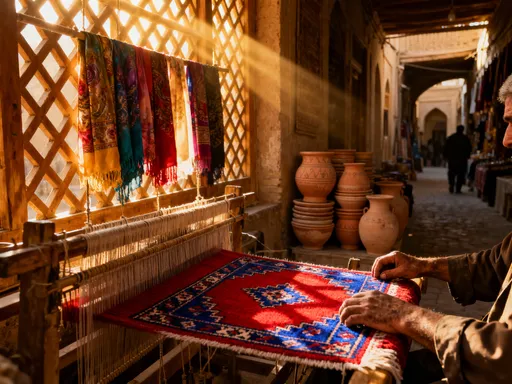
The Black Forest has long been synonymous with exquisite craftsmanship, particularly in woodcarving and clockmaking. These are not tourist performances but living traditions carried on by skilled artisans in small workshops tucked into forested valleys. In towns like Furtwangen and Schonach, families have passed down woodworking techniques for generations. Here, cuckoo clocks are not mass-produced souvenirs but carefully assembled works of art, each taking weeks or even months to complete. The process begins with locally sourced spruce and pine, dried for years to ensure durability. Every bird, leaf, and scroll is carved by hand, often following designs unchanged for over a century.
Visitors can tour small ateliers where craftsmen welcome questions and demonstrations. Some workshops offer short classes, allowing guests to try their hand at carving a simple ornament or assembling a clock mechanism. These experiences provide insight into the patience and precision required—qualities that define the region’s artisanal spirit. When purchasing a piece, look for the “Schwarzwald Uhr” certification, which guarantees authenticity and origin. Avoid imported replicas sold in crowded tourist plazas; instead, buy directly from workshops or local cooperatives that support sustainable livelihoods.
Woodcarving extends beyond clocks to include religious figures, decorative boxes, and nutcrackers—each reflecting regional motifs like forest animals, alpine flowers, or scenes from rural life. The craft is taught in vocational schools, ensuring its survival in the modern era. By supporting authentic artisans, travelers help preserve a cultural heritage that might otherwise fade. These objects are not just decorations; they are symbols of resilience, identity, and care. Bringing one home means carrying a piece of the Black Forest’s soul across borders.
Festivals That Capture the Spirit of the Region
The rhythm of life in the Black Forest is marked by seasonal festivals, each rooted in centuries of tradition. These events are not staged for tourists but are heartfelt expressions of community identity. One of the most vibrant is Fasnet, the Swabian-Alemannic carnival celebrated in February or March. Unlike the flamboyant parades of Cologne or Mainz, Fasnet is deeply symbolic, featuring hand-carved wooden masks and elaborate costumes representing spirits, fools, and forest creatures. In towns like Rottweil and Villingen, locals spend months preparing their outfits, often inheriting pieces from ancestors.
Participating in Fasnet requires respect and observation. Visitors are welcome to watch parades and street performances, but some rituals remain private. The festival’s origins lie in driving away winter spirits, and many masks are believed to hold protective power. Attending as a respectful guest allows travelers to witness a rare, living tradition—one that UNESCO has recognized as part of Germany’s intangible cultural heritage.
Later in the year, Kirchweih festivals celebrate the consecration of local churches with music, dancing, and regional food. Held in autumn, these gatherings bring together villagers and visitors for folk bands, apple wine, and traditional attire like the Bollenhut—a wide-brimmed hat adorned with red woolen pompoms worn by women in certain villages. These festivals are joyful yet grounded, reflecting a deep connection to place and faith. Timing a visit around one of these events offers a window into the heart of Black Forest culture, where celebration is both communal and deeply personal.
Exploring Village Life in Off-the-Beaten-Path Communities
To truly understand the Black Forest, one must step away from major roads and explore its quiet villages. Places like Gutach, Triberg, and Oberried preserve traditions with quiet determination. In Gutach, the Volkskunde Museum showcases historic farmhouses, but the real museum is the village itself—where half-timbered homes with steep roofs stand along cobblestone lanes, and flower boxes overflow with geraniums. Residents still wear traditional dress on special occasions, and many families work in forestry, farming, or craft industries.
Walking through a weekly market, travelers might hear the soft cadence of Alemannic dialect, a linguistic remnant of the region’s early Germanic roots. Vendors sell smoked sausages, homemade jams, and hand-knit woolens. Conversations are slow, warm, and unhurried. These markets are not curated for tourists but serve as essential community hubs. Engaging politely—perhaps with a simple “Guten Tag” or “Danke schön”—opens doors to brief but meaningful exchanges. Many elders are happy to share stories if approached with kindness and patience.
In Triberg, famous for its waterfalls, fewer visitors explore the surrounding alleys where families maintain kitchen gardens and dry herbs from the forest. Children still learn folk songs in school, and church bells mark the hours with regularity. These villages are not frozen in time, but they value continuity. Modern life exists alongside tradition: you’ll see Wi-Fi signs in timber cottages and electric cars parked beside horse stables. Yet the pace remains gentle, the values clear—sustainability, self-reliance, and respect for the land. For travelers, especially those seeking respite from urban chaos, these villages offer a model of balanced living.
Savoring Authentic Black Forest Cuisine Beyond the Cake
While Black Forest cake—Schwarzwälder Kirschtorte—is world-famous, the region’s culinary identity goes far beyond this sweet treat. Traditional cuisine reflects the forest’s bounty: wild game, foraged mushrooms, smoked meats, and dairy from mountain pastures. Hearty dishes like Sauerbraten (marinated pot roast), Spätzle (soft egg noodles), and Bratwurst are staples, often served with dark rye bread and local pickles. In autumn, dishes feature chanterelles and porcini mushrooms gathered from the woods, while winter menus highlight preserved foods like smoked ham and sauerkraut.
The best meals are found in family-run gasthöfe—country inns that have served the same recipes for decades. In villages like Hinterzarten or St. Märgen, these inns welcome travelers with tiled stoves, wooden beams, and menus written in neat cursive. One might find Kesselfleisch, a boiled meat dish served with broth and horseradish, or Flädlesuppe, a comforting pancake soup often eaten during Lent. These dishes are not elaborate, but they are deeply satisfying, made with care and local ingredients.
Many restaurants highlight seasonal availability, a practice rooted in necessity but now embraced as a philosophy of mindful eating. Cheese comes from nearby dairies, beer from regional breweries, and spirits like Schwarzwälder Kirsch—cherry brandy—are distilled locally. Wine, though less associated with the Black Forest, is produced in the warmer foothills, particularly in the Baden wine region. Pairing a glass of fruity Müller-Thurgau with a plate of cold cuts offers a true taste of the land. For travelers, dining here is not just about nourishment but about connection—to soil, season, and community.
Engaging with Nature Through Cultural Lenses
The Black Forest is not just a backdrop—it is a central character in the region’s cultural story. Locals do not see nature as separate from daily life but as an integral part of identity and survival. This relationship is evident in traditions like foraging, sustainable forestry, and seasonal migration of livestock. Guided foraging tours, led by naturalists or foresters, teach visitors to identify edible plants like wild garlic, blueberries, and mushrooms. These outings are not just educational but cultural, revealing how generations have relied on the forest for food, medicine, and materials.
Hiking trails often follow historic routes once used by charcoal burners, woodcutters, or salt traders. Interpretive signs along the way explain old practices and local legends. Some paths lead to abandoned kilns or stone shelters, silent reminders of a working forest. Others pass through high meadows where cows graze in summer, their bells echoing across valleys—a sound so iconic it’s considered part of the region’s acoustic heritage.
Folktales from the Black Forest often feature the woods as a place of mystery and wisdom. Stories of forest spirits, hidden treasures, and talking animals were once told to teach children respect for nature. Today, these tales are shared in schools, museums, and storytelling events. By listening, travelers gain insight into the values that shaped rural life: caution, humility, and gratitude. Whether hiking, foraging, or simply sitting by a stream, engaging with nature here becomes a cultural act—one that deepens appreciation for the delicate balance between human life and the natural world.
Practical Tips for Meaningful Cultural Experiences
To fully embrace the cultural richness of the Black Forest, a bit of planning goes a long way. The best time to visit for cultural immersion is between late spring and early autumn, when festivals, markets, and outdoor workshops are most active. June through September offers mild weather and longer days, ideal for village walks and guided tours. However, winter brings its own charm, with Christmas markets featuring handmade ornaments, mulled wine, and carol singing in centuries-old churches.
Public transportation in the region is reliable and scenic. The Black Forest Railway winds through valleys and tunnels, connecting major towns with smaller villages. Regional buses serve more remote areas, and many guesthouses provide schedules and route advice. For greater flexibility, renting a car allows access to hidden trails and quiet hamlets, but parking in historic centers can be limited. Whenever possible, opt for eco-friendly travel—many locals prioritize sustainability, and visitors can honor that by using trains, biking, or walking.
While English is widely understood in tourist areas, learning a few basic German phrases enhances connection. Simple greetings like “Guten Morgen” (Good morning) or “Bitte” (Please) are appreciated. When attending local events, dress modestly and observe before participating. Photography is usually acceptable in public festivals, but always ask before taking pictures of people, especially during religious or ceremonial moments.
To find authentic experiences, consult local tourist offices, which often list small-scale events not advertised online. Look for terms like “Heimatfest” (homeland festival), “Handwerkermarkt” (crafts market), or “Wanderwoche” (hiking week). Avoid venues that feel overly commercialized or performative. Instead, seek out family-run guesthouses, community centers, and village halls where real life unfolds. Above all, approach each interaction with humility and curiosity. The people of the Black Forest are generally reserved but warm; they welcome sincere interest more than grand gestures.
Traveling responsibly means respecting nature, supporting local economies, and honoring traditions. Carry reusable bags and bottles, dispose of waste properly, and choose locally made products. When hiking, stay on marked trails to protect fragile ecosystems. By traveling mindfully, visitors contribute to the preservation of this unique region—not just its landscapes, but its soul.
The true magic of the Black Forest lies not in its souvenirs, but in its living traditions. By seeking out cultural moments with curiosity and respect, travelers gain more than memories—they gain understanding. Let this region inspire your next journey into the soul of a place.