What Northern Ireland’s Hidden Themes Reveal About the Soul of the UK
You know what? Northern Ireland isn’t just about dramatic cliffs and Game of Thrones scenes. I dug deeper—and what I found completely changed how I see this place. From hauntingly beautiful landscapes to quiet towns humming with culture, it’s packed with theme-driven experiences that go way beyond the usual tourist trail. This is about real connection, raw beauty, and stories waiting to be felt, not just seen. Let me take you through the layers that make Northern Ireland a quietly unforgettable journey.
The Power of Thematic Travel in Northern Ireland
Traveling with intention—through focused themes rather than checklists—transforms a simple vacation into something more meaningful. In Northern Ireland, where history, nature, and culture are deeply interwoven, this approach unlocks a richer, more personal experience. The region’s compact size makes it ideal for thematic exploration; within just a few hours, one can move from rugged coastlines to serene inland lakes, from industrial heritage sites to living cultural traditions. This density allows travelers to follow a single thread—such as resilience, rebirth, or community—and see how it appears across different landscapes and stories.
Thematic travel encourages deeper engagement. Instead of rushing from one landmark to the next, visitors begin to notice patterns: how communities rebuild after hardship, how nature shapes identity, or how music carries memory. These connections are not always obvious, but they emerge when one slows down and pays attention. For example, the theme of coastal resilience appears in the way villages cling to cliffs battered by Atlantic storms, in the restoration of lighthouses, and in the quiet pride of fishermen who still work these waters. It’s also visible in the way tourism is managed—sustainably and thoughtfully, with care for both environment and local life.
Similarly, the theme of reinvention surfaces repeatedly. In Belfast, former shipyards now host museums and cultural centers. In rural towns, old mills are repurposed into craft studios or cafés. These transformations reflect a society that honors its past without being trapped by it. By focusing on such themes, travelers gain insight into the soul of Northern Ireland—not just its sights, but its values, rhythms, and quiet strengths. This kind of journey doesn’t require grand gestures; it begins with curiosity and an openness to listen.
The Wild Atlantic Coast: Where Nature Takes Center Stage
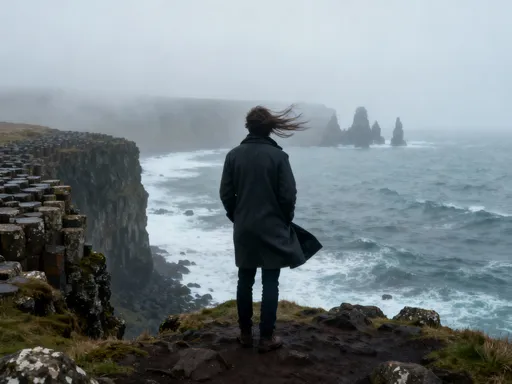
The coastline of Northern Ireland is not just scenic—it’s elemental. Along the Causeway Coastal Route, the land seems to rise from the sea with primal force. Towering basalt columns at the Giant’s Causeway, sculpted by volcanic activity over 60 million years ago, stand like nature’s own cathedral. The sight is awe-inspiring, but the experience goes beyond visuals. The roar of waves against black rock, the smell of salt and wet stone, the sudden burst of sunlight through low clouds—these sensory details make the place feel alive, almost sacred.
Driving this route offers constant revelations. Just beyond the main attractions, hidden coves and deserted beaches await. Ballintoy Harbour, with its stone steps descending into the sea, feels timeless. At sunrise, when fishing boats bob gently and mist hovers above the water, the scene is almost dreamlike. Carrick-a-Rede Rope Bridge, strung dramatically between cliffs, is more than a tourist stop—it’s a test of nerve and a symbol of human connection to precarious beauty. Yet, even at peak season, it’s possible to find solitude. Arrive early, before the tour buses, or explore lesser-known paths like the trail from Dunseverick Castle to Giant’s Causeway, where gorse blooms yellow and seabirds cry overhead.
Practical considerations matter. The roads are narrow, often winding, and best navigated without rush. Renting a compact car and allowing extra time for stops ensures a safer, more enjoyable trip. Parking at major sites fills quickly, so arriving by 8 a.m. can make a difference. For those seeking quieter alternatives, the stretch between Ballycastle and Red Bay offers stunning views without crowds. Here, the coastline is wilder, less tamed, and deeply atmospheric. Local cafés in villages like Bushmills or Cushendall serve hearty breakfasts with views of the sea—perfect for regrouping before the next leg.
Nature here is not passive. It demands respect. Weather changes rapidly; a sunny morning can turn into a downpour by afternoon. Waterproof gear and layered clothing are essential. But these conditions also create magic—rain-washed cliffs glisten, waterfalls appear overnight, and rainbows arch over the sea. This unpredictability is part of the coast’s character. It reminds visitors that they are in a place shaped by forces far greater than themselves—a humbling, grounding experience.
Industrial Heritage Reimagined: From Shipyards to Storytelling
Belfast’s identity is inseparable from its industrial past. Once a global leader in shipbuilding, the city was home to Harland & Wolff, the company that built the RMS Titanic. Today, that legacy is not buried but reimagined. The Titanic Belfast museum, housed in a striking modern building shaped like ship hulls, does more than commemorate a single vessel. It tells a broader story—of innovation, labor, ambition, and tragedy. Inside, interactive exhibits trace the ship’s construction, the lives of workers, and the social fabric of early 20th-century Belfast. It’s a narrative of human endeavor, not just maritime history.
The two iconic yellow cranes, Samson and Goliath, still dominate the skyline. Once symbols of industrial might, they now represent resilience and transformation. Lit in changing colors for different causes, they’ve become part of the city’s emotional language. Nearby, the Titanic Quarter blends old and new—refurbished docklands now host offices, apartments, and cultural venues. Yet, the past remains tangible. Walking through the area, one can see original brickwork, iron rivets, and the sheer scale of the dry docks. These details ground the story in reality, preventing it from becoming myth.
Lesser-known sites deepen the picture. The old rope works at Queen’s Island, where cables for ships were once twisted by hand, now serve as a quiet reminder of craftsmanship. Dockside murals, painted by local artists, depict scenes of working life—men in overalls, women in headscarves, children playing near the yards. These images honor the ordinary people behind the city’s greatness. In the nearby East Belfast community, walking tours led by former shipyard workers offer firsthand accounts of life in the industry. Their stories—of pride, injury, layoffs, and survival—add depth to the museum experience.
This reimagining of industrial heritage is not about nostalgia. It’s about continuity. Belfast has not erased its past; it has woven it into a new identity. The city’s regeneration—its cafes, galleries, and music venues—grows from the same spirit of creativity and determination that once launched ocean liners. Visitors who engage with this narrative leave not just with facts, but with a sense of how communities can honor their roots while moving forward.
Green Heartlands: Discovering Inland Serenity and Rural Life
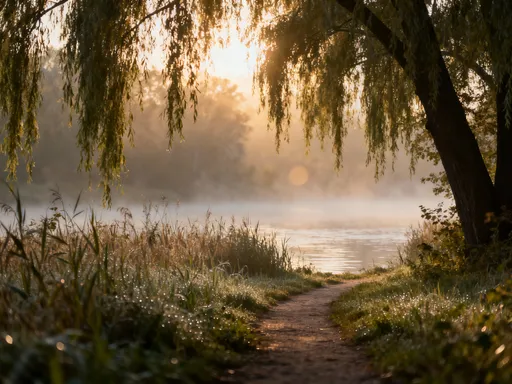
Away from the coast, Northern Ireland’s interior reveals a different rhythm. The Sperrin Mountains, stretching across counties Tyrone and Londonderry, offer rolling hills, ancient forests, and quiet valleys. This is slow travel at its best—walking through dew-soaked grass at dawn, hearing only the call of curlews and the rustle of rabbits. Lough Erne, a vast freshwater lake system in County Fermanagh, is dotted with islands, some home to medieval monasteries, others to herons and otters. Kayaking here at sunrise, when mist rises from the water like breath, feels like moving through a painting.
Rural life here is not performative. Farmers still work the land with generations-old knowledge. At local markets in towns like Enniskillen or Omagh, one finds handmade cheeses, freshly baked bread, and preserves made from wild berries. Conversations are brief but warm—locals don’t perform hospitality; they live it. Staying in a family-run B&B or a converted farmhouse offers a genuine glimpse into this world. Evenings are quiet, filled with the sound of rain on roofs or the crackle of a log fire. There’s no pressure to entertain; simply being present is enough.
Eco-conscious travelers will appreciate the growing number of sustainable accommodations. Some guesthouses use solar power, grow their own vegetables, or offer composting toilets. Others partner with conservation groups to protect local wildlife. These choices reflect a deep respect for the land. Visitors are encouraged to tread lightly—sticking to marked trails, avoiding litter, and supporting local businesses. This isn’t about perfection, but intention. Even small actions—buying milk from a farm stand, thanking a shopkeeper by name—contribute to a more meaningful exchange.
The beauty of the heartlands lies in its understatement. There are no grand monuments, no crowds, no loud attractions. Instead, there is peace, space, and a sense of time unfolding naturally. Hiking through the Gortin Glens, with its waterfalls and wooden bridges, or cycling the Cavan Burren Park trail, where Neolithic stones stand in silence, one begins to understand a different kind of richness—one measured not in sights seen, but in moments felt.
Cultural Threads: Language, Music, and Local Identity
Culture in Northern Ireland is not staged for tourists; it lives in everyday moments. In pockets of the region, particularly in parts of County Donegal near the border and in small Gaeltacht (Irish-speaking) communities, the Irish language remains part of daily life. Road signs appear in both English and Irish, and some schools teach entirely through Gaelic. While fluency varies, the language shapes identity. Place names—like Antrim (from Aontroim, meaning “lone ridge”) or Ballycastle (Baile an Chaisleáin, “town of the castle”)—carry centuries of meaning. Hearing Irish spoken in a shop or sung in a folk tune connects the present to a long, layered past.
Music is another living thread. In village pubs on weekend nights, informal sessions gather—locals with fiddles, flutes, and bodhráns playing reels and jigs passed down through generations. These are not performances; there’s no stage, no ticket, no spotlight. Travelers are welcome to listen, and sometimes, if invited, to join. Respect matters—clapping at the wrong time or interrupting a tune is frowned upon. But a quiet presence, a smile, a pint shared with a musician after the set—these gestures build bridges.
Festivals offer another window. The Fleadh Cheoil, an annual celebration of Irish music, draws players from across the island. Smaller events, like the Strule Arts Festival in Omagh or the Ulster Fiddle Festival, highlight local talent. These gatherings are not about spectacle; they’re about community. Children learn jigs from grandparents, teenagers form folk bands, and elders share stories between sets. Attending one feels like being let into a private world—one that values continuity, creativity, and connection.
This cultural resilience is quiet but strong. It doesn’t shout; it persists. In a region with a complex history, these traditions offer stability and pride. For visitors, engaging with them—by learning a few Irish phrases, attending a session, or simply listening—becomes an act of respect. It’s not about appropriation, but appreciation. And in that exchange, something real happens: a moment of shared humanity.
Urban Pulse: Belfast’s Evolution Beyond the Past
Belfast today is a city in motion. While its history is visible—in murals, in architecture, in memory—it is no longer defined by it. The Cathedral Quarter, centered around St. Anne’s Cathedral, pulses with creative energy. Independent cafés serve single-origin coffee and sourdough toast. Small galleries display works by local artists—some abstract, some political, all deeply felt. Street art, once tied to sectarian divides, now includes vibrant murals celebrating music, literature, and social change. The city’s visual language is evolving, reflecting a more diverse, forward-looking identity.
The food scene has transformed. Once limited to traditional pub fare, Belfast now boasts a range of culinary experiences. Restaurants like Ox and Eipic have earned international acclaim for their modern takes on local ingredients—slow-roasted lamb, foraged mushrooms, coastal herbs. More modest but equally authentic are the food markets at St. George’s Market, open since 1890. Here, vendors sell everything from artisanal pies to handmade chutneys. The air fills with the scent of baking bread and spiced tea. It’s a place to eat, yes, but also to meet people, hear accents, feel the city’s pulse.
Walking is the best way to experience Belfast. A self-guided tour might begin at City Hall, then wind through the Victorian Quarter, past red-brick warehouses turned into lofts and boutiques. Along Donegall Street, the Peace Wall still stands, but nearby, community gardens and youth centers signal renewal. In the Botanic Gardens, students read under palm trees in the Palm House, a Victorian glasshouse restored to glory. These layers—historic, natural, social—coexist without erasing each other.
Belfast doesn’t hide its past, but it refuses to be limited by it. The city’s strength lies in this balance—remembering without dwelling, progressing without forgetting. For visitors, this means an experience rich in contrast: the solemnity of a memorial garden next to the laughter in a comedy club; the weight of history in a museum, then the lightness of a street musician’s tune. It’s a place where healing is not declared, but lived.
Traveling with Depth: Practical Ways to Engage Meaningfully
Meaningful travel starts with mindset. In Northern Ireland, as elsewhere, the most rewarding journeys come not from ticking off sights, but from being present. This means slowing down—spending two nights in a village instead of rushing through in a day, having tea with a local, or returning to the same hill at different times of day to see how light changes the view. It means asking questions with genuine curiosity: “How did this festival begin?” “What’s your favorite season here?” “What do you wish visitors knew?”
Planning with purpose helps. Instead of a generic itinerary, choose a theme—coastal resilience, musical heritage, rural sustainability—and build around it. Pair well-known sites with nearby hidden ones: visit the Giant’s Causeway, then walk to the quieter White Park Bay; tour Titanic Belfast, then explore the nearby Connswater Greenway, a restored urban river trail. Support local businesses—book guided walks with community cooperatives, eat at family-run restaurants, buy crafts directly from makers. These choices ensure that tourism benefits the people who call this place home.
Responsible travel also means managing expectations. Popular sites will be busy in summer; accept that and plan accordingly. Visit early, or consider shoulder seasons—late spring or early autumn—when weather is mild and crowds thinner. Respect private property and protected landscapes. Stick to marked paths, especially in sensitive areas like peat bogs or nesting bird sites. Carry out trash, even if others don’t. These actions may seem small, but they reflect a deeper ethic: that we are guests in someone else’s world.
Finally, stay open to the unexpected. A sudden rainstorm might lead to a conversation in a village shop. A missed turn could reveal a hidden waterfall. A quiet moment in a churchyard might bring unexpected peace. These unplanned moments often become the most memorable. Traveling with depth isn’t about control; it’s about receptivity. It’s about allowing a place to touch you, change you, stay with you.
Wrap up by reflecting on how thematic travel transforms not just what we see, but how we remember. Northern Ireland, with its quiet intensity and layered identity, invites us to look beyond postcard views. It challenges us to travel with purpose, presence, and respect—offering not just sights, but lasting resonance.