Brno Unhurried: Where City Districts Reveal Their Soul
You know that feeling when a city starts to whisper its secrets? That’s Brno. I wandered for days—no rush, no checklist—just quiet streets, local cafés, and neighborhoods with personality. This isn’t about ticking off landmarks. It’s about feeling a place. Slow travel here doesn’t just deepen the experience—it reveals the unexpected charm of districts most visitors never even notice. While many tourists rush to Prague, Brno remains gently under the radar, offering something more intimate: a city that reveals itself only to those who walk slowly, listen closely, and allow themselves to be surprised. This is not a guide to monuments, but to moments—the kind that settle in your memory not because they were planned, but because they felt true.
The Heartbeat of Brno: What Makes Slow Travel Special Here
Brno, the vibrant capital of Moravia, pulses with a rhythm that rewards patience. Unlike the grand spectacle of larger European capitals, this city unfolds in subtle layers—through the hum of trams on cobblestone streets, the quiet corners of neighborhood parks, and the unhurried conversations at corner kiosks. It is a city built for walking, where distances between districts are short, public transport is reliable, and the crowds are sparse enough to let you breathe. These conditions make Brno an ideal candidate for slow travel—a mindful approach to exploration that prioritizes presence over pace. When you slow down, the city shifts from a backdrop into a living, breathing entity with stories embedded in its architecture, routines, and daily rhythms.
What sets Brno apart is not just its size or accessibility, but its authenticity. While other destinations have been reshaped by mass tourism, Brno retains a grounded sense of self. Residents go about their lives without performance, and public spaces are designed for use, not display. There is no need to 'perform' localness here; it simply exists. This allows visitors who choose to linger to witness the city as it truly is—not as a curated postcard, but as a mosaic of real lives and evolving neighborhoods. The absence of overwhelming tourist infrastructure means fewer distractions and more opportunities for genuine connection.
Slow travel in Brno is not about rejecting sightseeing altogether, but about redefining it. Rather than racing from landmark to landmark, the focus becomes immersion—observing how light falls across a courtyard at midday, learning the names of local bakeries, or recognizing the same faces at your morning coffee stop. This kind of travel fosters a deeper understanding of place, one that lingers long after the trip ends. It invites you to notice the small things: the way shopkeepers greet regulars, the seasonal changes in market offerings, or the evening shift when office workers trade suits for bicycles and head home along tree-lined avenues. These moments, often overlooked, are where the soul of the city resides.
Židenice: The Everyday Magic of a Living Neighborhood
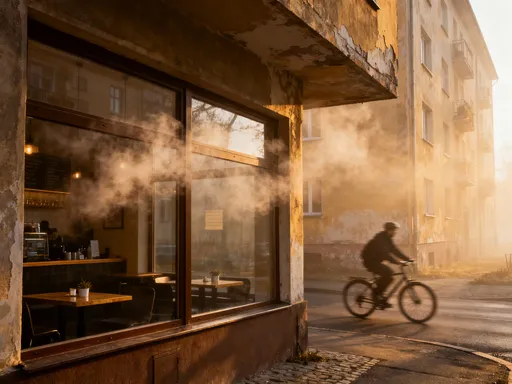
Just a short tram ride from the city center, Židenice offers a window into the quiet poetry of everyday Czech life. This is not a district designed for tourists; there are no souvenir shops or guided tours. Instead, Židenice thrives on routine, community, and unpolished charm. Its streets are lined with functional interwar buildings, their facades weathered but cared for, each apartment window telling a story of someone’s home. The district hums with the rhythm of daily life—parents biking children to school, neighbors exchanging greetings in the morning, and the steady flow of shoppers at the local market on Dlouhá třída.
One of the most striking aspects of Židenice is its authenticity. There is no pretense here, no effort to impress. You’ll find corner bakeries where the scent of freshly baked rohlíky fills the air before sunrise, and small grocery stores where cashiers know their customers by name. The neighborhood market, open several days a week, is a hub of activity—vendors sell seasonal produce, homemade jams, and regional cheeses, while elderly residents take their time selecting the ripest tomatoes. It’s a place where time moves differently, shaped by need and habit rather than urgency or spectacle.
Walking through Židenice feels like stepping into a living photograph of Brno’s daily life. Children play in small pocket parks while grandparents watch from nearby benches, and cyclists navigate the quiet side streets with ease. Cafés like Café Pod Věží offer a relaxed atmosphere where locals sip coffee and read newspapers, undisturbed by the demands of tourism. There are no must-see attractions here—only the quiet beauty of a neighborhood that functions as it should: as a place where people live, work, and connect. For the slow traveler, this is a gift. It offers the rare chance to observe, without intrusion, the rhythms of a community that has not been altered for outside eyes.
What makes Židenice especially valuable for mindful exploration is its accessibility and lack of self-consciousness. Because it is not marketed as a destination, it remains unaltered by tourism trends. Visitors who come here do so out of curiosity, not obligation. This allows for a more respectful form of engagement—one based on observation and presence rather than consumption. By simply being there, sitting on a bench, or stopping for a pastry, you become part of the neighborhood’s flow, if only for a moment. It’s a reminder that the heart of a city is not always found in its monuments, but in the spaces where ordinary life unfolds.
Královo Pole: Between University Energy and Green Escapes
Královo Pole is where Brno’s youthful spirit meets its green lungs. Home to the city’s largest university campus and the sprawling Lužánky Park, this district balances academic intensity with serene retreat. The main avenue, Kounicova, is lined with tram tracks, bike lanes, and a mix of modern and historic buildings, reflecting the district’s dual identity. During the day, students rush between lectures, debate in campus cafés, and study under the trees. In the evenings, the energy shifts—groups gather for casual dinners, musicians play in the park, and families stroll along tree-shaded paths.
Lužánky Park, established in the late 18th century, is the oldest public park in the Czech Republic and remains a cherished oasis. Its wide lawns, shaded walkways, and open-air theater create a space where both relaxation and community come naturally. On sunny afternoons, you’ll see students reading under trees, couples sharing sandwiches, and older residents walking dogs or practicing tai chi. The park’s layout encourages lingering—benches are thoughtfully placed, and the paths invite wandering without destination. For the slow traveler, it’s an ideal place to pause, observe, and absorb the city’s quieter moments.
The academic presence in Královo Pole adds a dynamic layer to the district’s character. Student-run cafés and bookshops offer affordable, unpretentious spaces to spend an hour or two. Places like Café Kavárna or the university’s public reading rooms provide a glimpse into the intellectual life of the city. Conversations in multiple languages float through the air, and bulletin boards are filled with notices for lectures, art exhibitions, and volunteer opportunities. This is a district that values ideas, dialogue, and accessibility—qualities that align closely with the ethos of mindful travel.
What makes Královo Pole particularly rewarding is its balance. It is lively without being overwhelming, green without being isolated. The district does not demand attention; it simply offers itself. You can join a picnic on the grass, listen to a spontaneous concert in the park, or simply sit and watch the world pass by. There is no pressure to perform or participate—just the freedom to be present. For visitors seeking connection without chaos, Královo Pole provides a model of urban harmony, where education, nature, and community coexist in quiet synergy.
Rebel Without a Cause: Trnitá and Its Quiet Transformation
Trnitá, once a neglected corner of Brno, is emerging as a symbol of quiet urban renewal. Located just east of the city center, this district was long defined by its post-war housing blocks and industrial edges. But in recent years, a subtle transformation has taken place—not through large-scale redevelopment, but through grassroots initiatives, community gardening, and small creative projects. Today, Trnitá offers a rare glimpse into the organic evolution of a city neighborhood, where change happens not from the top down, but from the ground up.
One of the most visible signs of this shift is the rise of community spaces. Abandoned lots have been turned into shared gardens, where residents grow vegetables and herbs together. Local artists have painted murals on formerly blank walls, adding color and narrative to the streetscape. Small bistros and cafés, often run by young entrepreneurs, have opened in ground-floor apartments, creating informal gathering spots. These changes are not flashy or marketed to tourists—they are modest, functional, and deeply local. Yet they speak volumes about the power of community and the desire for meaningful public life.
For the slow traveler, Trnitá is a place of discovery. Because it lacks obvious attractions, it encourages curiosity. You might stumble upon a weekend flea market in a courtyard, hear music drifting from a community center, or be invited to a neighborhood event simply by being present. These encounters are not staged—they happen because you’ve taken the time to walk slowly and pay attention. In doing so, you witness the city not as a finished product, but as a work in progress, shaped by the people who live in it.
What makes Trnitá especially compelling is its honesty. There is no attempt to polish or perform. The district embraces its imperfections—the cracked sidewalks, the mismatched buildings, the quiet corners that still feel overlooked. And in that honesty, there is beauty. It reminds us that cities are not static; they breathe, change, and adapt. By visiting places like Trnitá, travelers gain a more nuanced understanding of urban life—one that includes struggle, resilience, and quiet hope. It’s a reminder that transformation doesn’t always come with fanfare, but often with patience, care, and small, consistent acts of renewal.
The Old Town Isn’t Just a Postcard: Discovering Detours in Brno-Město
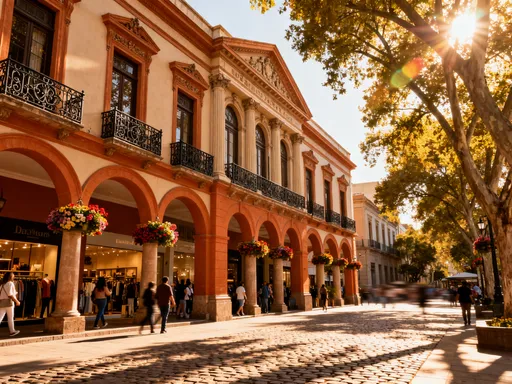
Brno-Město, the historic heart of the city, is often reduced to a checklist: Špilberk Castle, the Cathedral of St. Peter and Paul, the quirky Pietà sculpture. And while these landmarks are worth seeing, they represent only a fraction of what the district offers. For the slow traveler, the true magic of Brno-Město lies in the in-between spaces—the alleys that branch off main squares, the courtyards hidden behind unmarked doors, the small galleries tucked into centuries-old buildings. These are the places where the city’s layers reveal themselves, not through grandeur, but through detail.
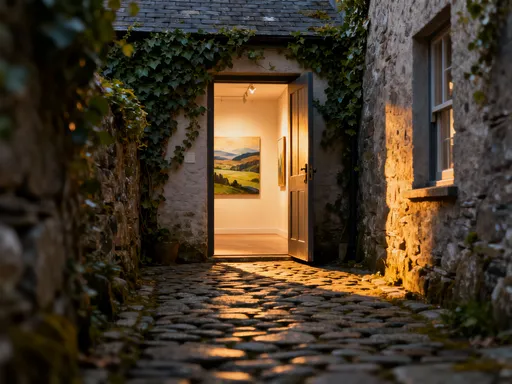
Take a morning walk through the streets before the shops open. The echo of footsteps on cobblestones, the soft glow of streetlights fading with the dawn, the first scent of trdelník warming in a bakery oven—these sensory moments create a different kind of memory. Step into a quiet courtyard off Dominikánské náměstí, where laundry hangs between buildings and flower boxes bloom on window sills. Or pause at a small independent gallery, like Galerie Vnitroblock, where local artists exhibit contemporary work in a space that once housed a 19th-century workshop. These experiences are not advertised, but they are deeply enriching.
The architecture of Brno-Město tells a story of centuries of change—Gothic foundations, Baroque facades, Art Nouveau details, and modern interventions. Walking slowly allows you to notice these transitions, to see how the city has adapted without erasing its past. A single block might contain a medieval church, a 1920s apartment building, and a repurposed factory space. This coexistence of eras is not chaotic; it is harmonious, a testament to Brno’s ability to evolve while honoring its roots.
By resisting the urge to rush through the center, travelers gain a more intimate understanding of the city. Instead of viewing the Old Town as a museum, they begin to see it as a living neighborhood—where residents walk their dogs, children play near fountains, and shopkeepers sweep their doorsteps each morning. The landmarks are still there, but they are no longer the sole focus. They become part of a larger tapestry, woven with daily life, personal histories, and quiet moments of beauty. This is the power of slowing down: it transforms a place from a destination into a presence.
How to Move Like a Local: Practical Rhythms for Exploring Districts
Exploring Brno’s districts mindfully begins with adopting the rhythms of its residents. Public transportation is efficient and widely used, and riding the tram like a local—without rushing, with a sense of purpose but not urgency—can instantly shift your experience. The city’s integrated transit system makes it easy to move between neighborhoods, but the real insight comes from observing how people use it: boarding calmly, offering seats, stepping off at quiet stops far from tourist maps. Traveling by tram during off-peak hours, such as late morning or early evening, allows for a more relaxed journey, with space to look out the window and absorb the passing scenery.
Timing your visits can also deepen your connection. Avoiding school drop-off and work commute times—typically before 8 a.m. and between 4–6 p.m.—means quieter streets and a more peaceful atmosphere. Lunchtime, especially between 11:30 a.m. and 1:30 p.m., is when local restaurants and pubs fill with office workers and shop employees. Choosing a spot where you see locals eating—often smaller, unassuming places with daily menus posted in Czech—increases the chance of a genuine culinary experience. These meals may not be tailored to tourists, but they reflect the tastes and traditions of the community.
Another key to moving like a local is embracing unplanned detours. Instead of following a fixed itinerary, allow yourself to be drawn by curiosity—a flower shop with a hand-painted sign, a park bench with a view, a street musician playing accordion in a quiet square. These moments of spontaneity often become the most memorable. Observing social cues is equally important: notice how people greet each other, how they use public space, and how they interact with their environment. These small behaviors offer insight into the culture that no guidebook can fully capture.
The mindset shift is crucial. Rather than asking, “What should I see next?” try asking, “What is happening here?” This simple change redirects your focus from consumption to connection. It encourages presence, patience, and respect. You begin to see the city not as a collection of attractions, but as a living system of people, places, and routines. By aligning your pace with that of the city, you move from being a visitor to being a temporary participant in its life.
Why Brno’s Districts Matter: The Bigger Picture of Mindful Travel
Brno’s neighborhoods are more than just geographic areas—they are chapters in the city’s ongoing story. Each district carries its own history, character, and community, contributing to a richer, more complex understanding of what Brno truly is. When travelers take the time to explore these areas with care and attention, they do more than enrich their own experience; they engage in a form of cultural respect. Mindful travel is not passive; it is an active choice to see, listen, and learn without imposing expectations.
In a world where many destinations are shaped by tourism economies, Brno offers an alternative. It invites visitors to look beyond the surface, to appreciate the value of ordinary life, and to recognize that authenticity is not a performance. This kind of travel supports sustainability—not just environmentally, but culturally. By spreading attention across multiple neighborhoods, travelers reduce pressure on over-visited sites and contribute to a more balanced local economy. A coffee bought in a Židenice café, a loaf of bread from a Trnitá market, or an admission to a small gallery in the Old Town—all of these choices matter.
Ultimately, slow travel in Brno is about rediscovering the purpose of journeying. It is not about collecting stamps in a passport, but about deepening connection—with places, with people, and with oneself. Cities are not monoliths; they are mosaics, and each tile deserves attention. When we take the time to look closely, we see not just buildings and streets, but lives lived with dignity, creativity, and resilience. Brno, in all its quiet, unassuming brilliance, reminds us that the most meaningful travels are not the loudest, but the ones that leave space for silence, for observation, for wonder.
So let Brno redefine your idea of travel. Let its unhurried streets, its neighborhood rhythms, and its unspoken stories guide you. Walk without a map sometimes. Sit on a bench just to watch. Say hello, even if you don’t speak the language. Let the city whisper its secrets. And when you leave, you won’t just remember what you saw—you’ll remember how it felt to belong, even if just for a moment.