What Nobody Tells You About Shopping in Mecca
Shopping in Mecca isn’t just about buying souvenirs—it’s part of a deeper journey. But here’s the real talk: not all markets deliver what they promise. I walked through bustling alleys, excited to bring home meaningful keepsakes, only to face overpriced goods, counterfeit items, and confusing exchanges. This isn’t a guide to the best spots—it’s an honest look at what can go wrong, so you don’t repeat my mistakes. For many pilgrims, especially women managing family needs and spiritual intentions, the desire to bring back something sacred is powerful. Yet without preparation, this act of devotion can become a source of stress, disappointment, or even financial strain. Understanding the realities behind Mecca’s shopping culture is not about skepticism—it’s about honoring your journey with wisdom.
The Spiritual Context of Shopping in Mecca
For centuries, commerce has been woven into the fabric of pilgrimage in Islam. Long before modern malls and digital payments, travelers on Hajj and Umrah carried goods from distant lands, exchanging them in the markets surrounding the Holy Mosque. These early trade routes were not merely economic—they fostered cultural exchange, strengthened community ties, and supported the livelihoods of those serving pilgrims. Today, shopping in Mecca continues that tradition, though the context has evolved. Many women, especially those between 30 and 55, view their purchases as more than material objects—they are tokens of faith, blessings to share with loved ones back home, and physical reminders of a life-changing experience.
Yet this spiritual intention often collides with modern commercial realities. Pilgrims arrive with deep expectations: that every item sold near the Grand Mosque carries authenticity, value, and perhaps even barakah (blessing). Vendors understand this emotional weight and sometimes exploit it. The line between devotion and consumerism blurs when marketing tactics replace sincerity. A simple misstep—buying a prayer rug believed to be handmade in Medina, only to discover it was mass-produced overseas—can leave a lasting sense of disillusionment. It’s not that shopping should be avoided, but rather approached with awareness and clarity.
For family-oriented women, the pressure to return with gifts for children, siblings, and extended relatives adds another layer. The desire to honor tradition by bringing back something meaningful is natural, but it must be balanced with practical judgment. Recognizing that not every market stall offers spiritually significant items helps preserve both financial well-being and emotional peace. True devotion lies in intention, not in how much one spends or how many souvenirs one collects. By reframing shopping as a mindful extension of worship rather than a checklist obligation, pilgrims can protect their experience from exploitation and maintain the sanctity of their journey.
Al-Zahir Souq: Bustling Energy, Hidden Risks
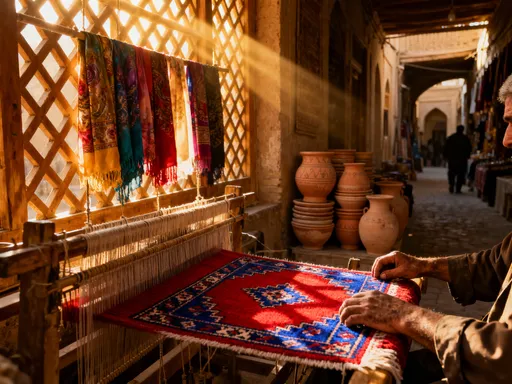
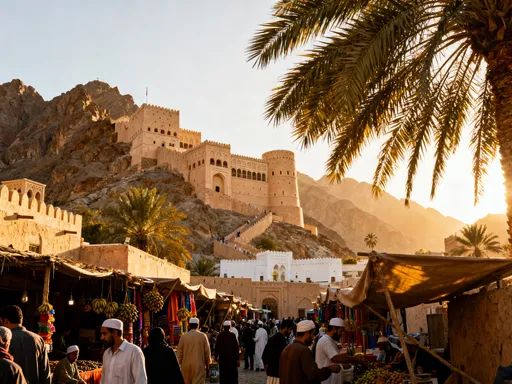
One of the most frequented shopping destinations for pilgrims is Al-Zahir Souq, a sprawling marketplace located just minutes from the Grand Mosque. With its narrow lanes, vibrant displays of textiles, perfumes, and religious books, and the constant hum of bargaining, it offers an authentic sensory experience. For many visitors, especially first-time pilgrims, the energy is intoxicating. Brightly colored abayas, intricately designed miswaks, and shelves lined with oud and attar create a feast for the eyes. However, beneath this lively surface lie several risks that can catch even cautious shoppers off guard.
Prices in Al-Zahir Souq are rarely fixed, and vendors often quote rates far above market value, particularly to those who appear unfamiliar with local customs. Women traveling alone or in small groups may feel pressured to complete a purchase quickly to avoid prolonged interaction. Some sellers use persuasive language, suggesting limited availability or special discounts that expire within minutes. Others appeal directly to emotion, claiming that buying a particular item will bring blessings to the entire family. In such moments, the spiritual atmosphere of Mecca can unintentionally amplify impulsive decisions. A woman eager to honor her pilgrimage may overlook price discrepancies or skip verifying product quality.
Another common issue is the lack of transparency in materials and origins. Items labeled as “pure silk” or “hand-embroidered” may not meet those claims upon closer inspection. Perfumes advertised as rare blends from Yemen or India might be locally mixed imitations. Even religious texts, though widely available, vary in print quality and accuracy. Without prior knowledge or guidance, it’s difficult to distinguish genuine craftsmanship from mass-produced alternatives. While Al-Zahir Souq remains a legitimate part of Mecca’s commercial landscape, navigating it requires patience, research, and the willingness to walk away when something feels off. The excitement of being so close to the Haram should not cloud financial or ethical judgment.
The Misleading Allure of “Blessed” Items
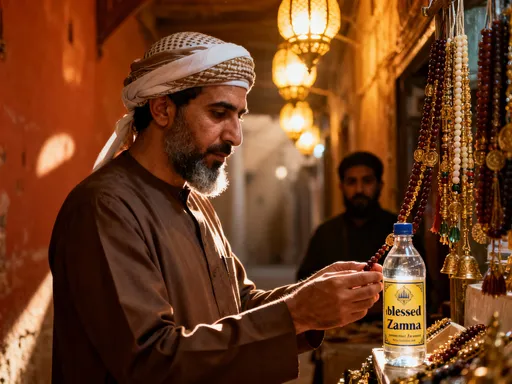
Among the most emotionally charged products sold in Mecca are those marketed as spiritually significant. Zamzam water bottles, prayer beads made from olive wood, and framed verses of the Quran are common choices for pilgrims seeking meaningful souvenirs. These items hold deep symbolic value, especially for women who wish to bring home something sacred to share with their households. However, the claim that an object is “blessed” or “exclusive to Mecca” is often more marketing than truth. While Zamzam water itself is authentic and freely available at designated points near the mosque, the containers it’s sold in—especially decorative flasks with ornate engravings—are frequently overpriced and unnecessary.
Vendors may insist that certain beads or amulets have been “touched by the Kaaba” or “prayed over by scholars,” assertions that cannot be verified and may border on shirk (associating partners with Allah), a serious concern in Islamic belief. These claims prey on the sincerity of pilgrims, particularly those whose faith drives their desire to collect holy objects. The emotional weight of standing in Mecca makes such promises hard to resist, especially when fatigue, heat, or crowd pressure dull critical thinking. What begins as a heartfelt intention can quickly turn into a transaction based on manipulation rather than truth.
Islamic tradition emphasizes sincerity and moderation. The Prophet Muhammad (peace be upon him) valued simplicity and warned against excess. Bringing home a modest, honestly purchased item carries more spiritual merit than an expensive, falsely advertised one. Families appreciate the thought behind a gift far more than its price tag. Women managing household budgets understand this deeply. Choosing authenticity over spectacle—such as filling a simple container with free Zamzam water or selecting a modest set of miswak sticks—aligns better with the true spirit of the pilgrimage. Recognizing the difference between genuine reverence and commercial exploitation empowers pilgrims to make choices that reflect both faith and wisdom.
Malls vs. Markets: A False Sense of Security?
Many assume that stepping into a modern shopping center like Abraj Al Bait Mall offers protection from the pitfalls of street markets. With air conditioning, clear signage, fixed prices, and international brands, these malls appear to provide a safer, more reliable shopping experience. For women accustomed to structured retail environments, the contrast with chaotic souqs is comforting. Yet appearances can be deceiving. While malls do offer greater consistency in pricing and product quality, they are not immune to overcharging, especially in stores catering specifically to pilgrims.
Items such as premium perfumes, gold jewelry, and luxury abayas are often priced significantly higher than in other Saudi cities like Jeddah or Riyadh. Some shops capitalize on the perception that goods sold near the Haram are inherently more valuable. Even in air-conditioned comfort, the same emotional triggers apply: the desire to commemorate the journey, the pressure to buy gifts, and the limited time available during a short Umrah trip. Without prior research, a woman might spend hundreds on a perfume blend she could have purchased elsewhere at half the price.
Another consideration is return policies. While most mall stores accept returns with receipts, the reality for international travelers is different. By the time a discrepancy is noticed—such as a missing gemstone in a bracelet or a lower-than-expected gold purity—the opportunity to return the item has passed. In contrast, some street vendors, though less formal, may offer exchanges if approached politely and promptly. Customer service varies widely, and language barriers can complicate resolution efforts. Ultimately, whether in a mall or a market, the key to smart shopping lies not in the venue but in preparation. Knowing fair market values, setting limits, and resisting the urge to rush decisions are essential regardless of location.
Currency Confusion and Payment Traps
One of the most common yet overlooked challenges pilgrims face is navigating financial transactions in a foreign currency environment. The Saudi Riyal (SAR) is the official currency, but many visitors arrive without a clear understanding of current exchange rates or typical price ranges for common items. In crowded market areas, this lack of familiarity creates openings for financial missteps. Some vendors quote prices in vague terms, such as “five hundred,” without specifying whether they mean riyals, dirhams, or another currency. In the moment, especially when surrounded by noise and urgency, it’s easy to misunderstand and overpay.
Unmarked fees are another concern, particularly at informal exchange counters near bus stations or hotel lobbies. These kiosks may advertise competitive rates but apply hidden charges that reduce the actual amount received. Pilgrims who exchange large sums in cash may discover too late that they received less than expected. Additionally, some shops accept credit cards but add service fees not disclosed at the point of sale. Others give incorrect change, either accidentally or deliberately, counting quickly and handing back fewer bills than owed. Small discrepancies add up, especially when multiple purchases are made in a single day.
To protect against these traps, practical strategies are essential. Using ATMs affiliated with major banks provides transparent exchange rates and reduces reliance on street changers. Carrying small denominations helps ensure accurate payment and makes it easier to spot shortchanged amounts. Before shopping, pilgrims should research approximate prices for common items—such as a standard bottle of perfume, a basic abaya, or a set of prayer beads—so they can recognize when a quote seems unreasonable. For women managing family expenses, maintaining control over finances is not just practical—it’s a form of dignity and responsibility. Staying alert during transactions honors both personal integrity and the sanctity of the pilgrimage.
Language Barriers and Miscommunication
Even in today’s connected world, language remains a significant obstacle in Mecca’s shopping districts. While Arabic is the dominant language, vendors interact daily with international visitors and may use a mix of broken English, hand gestures, and translation apps. However, this patchwork communication can lead to serious misunderstandings. A simple nod or smile, intended as politeness, may be interpreted as agreement to a price. A phrase like “this for you” might be heard as a discount offer when none exists. In high-pressure environments, these small misinterpretations can result in unintended purchases or inflated bills.
One pilgrim reported agreeing to buy two prayer mats, only to be charged for five after the vendor pointed to items already packed. Another thought she had negotiated a price of 100 SAR, but the final charge was 200 SAR—possibly due to confusion over plural forms or a misunderstanding of currency units. Such incidents are not always malicious, but they highlight the vulnerability created by limited language access. Women who are naturally accommodating or hesitant to cause conflict may feel trapped once a transaction appears to be underway.
The solution lies in proactive communication. Learning a few key Arabic phrases—such as “kam al-si’r?” (how much is the price?), “la shukran” (no, thank you), and “aridhu istirja’ al-nuqud” (I want to return the money)—can make a meaningful difference. Translation apps like Google Translate, used discreetly on a mobile device, help verify agreements before payment. Most importantly, confirming the total cost in writing—by asking the vendor to show the number on a calculator or phone screen—eliminates ambiguity. These tools empower shoppers to engage respectfully while protecting their interests. In a place where every action should reflect mindfulness, clear communication is both a practical skill and a spiritual safeguard.
Smart Shopping: How to Protect Your Experience
Shopping in Mecca doesn’t have to be a minefield. With thoughtful preparation, it can become a meaningful and even joyful part of the pilgrimage. The first step is setting a clear budget before arriving. Determine how much can be comfortably spent on souvenirs without straining household finances. Break this down by category—clothing, gifts, religious items—so spending stays on track. For women balancing family needs with personal devotion, this structure provides both freedom and security.
Research is equally important. Use online forums, travel guides, and community groups to learn typical prices for common items. Knowing that a standard Zamzam water carrier costs no more than 20 SAR or that a quality miswak pack is around 15 SAR helps resist inflated quotes. Compare offerings across different locations—don’t buy the first thing you see. Just as one would compare prices at home, the same diligence applies in Mecca. Walking away from a deal that feels wrong is not rude—it’s wise.
Impulse buying is the enemy of mindful consumption. The emotional high of being near the Kaaba can make even ordinary items feel extraordinary. Pause before purchasing. Ask: Is this necessary? Is it authentic? Will it truly bring value to my family? Choosing fewer, higher-quality items over a large quantity of trinkets ensures that what is brought home is cherished, not forgotten. Consider non-material souvenirs as well—photos, journal entries, or recorded reflections—that carry lasting spiritual significance without financial cost.
Finally, remember that the greatest souvenir of Hajj or Umrah is not something that fits in a suitcase. It is the transformation within—the strengthened faith, the renewed patience, the deeper gratitude. Every challenge faced, including the frustrations of shopping, becomes part of the journey’s wisdom. By approaching commerce with awareness, humility, and intention, pilgrims honor not only their wallets but their souls.
Shopping in Mecca doesn’t have to be a regret. With awareness, respect, and preparation, it can remain a meaningful part of your pilgrimage. The real souvenir isn’t what you carry home—it’s the wisdom you gain along the way.