What I Wish I Knew Earlier About Managing Blood Pressure Without Ruining My Life
High blood pressure doesn’t just threaten your heart—it can quietly shrink your freedom, energy, and joy. For years, I struggled with rigid routines, fear-based choices, and advice that made me feel worse than the condition itself. I thought control meant sacrifice. But after learning the hard way, I discovered that real blood pressure management isn’t about restriction—it’s about reclaiming your life.
The Myth of “Control at Any Cost”
For many, the moment a doctor says “You have high blood pressure,” a wave of fear follows. The immediate assumption is that life as they know it must end—no more salt, no more comfort foods, no more spontaneity. This belief that health requires total surrender is deeply ingrained, but it’s also deeply flawed. The idea that control must come at the cost of comfort, flavor, or pleasure sets people up for failure before they even begin. When every meal feels like a test and every blood pressure reading becomes a verdict, the stress of managing the condition can actually worsen it.
The truth is, sustainable blood pressure management isn’t built on deprivation. It’s built on consistency, awareness, and balance. Research consistently shows that long-term success comes not from dramatic overhauls but from small, repeatable changes that become part of daily life. A 2021 review published in the Journal of the American Heart Association found that individuals who adopted gradual lifestyle shifts were more than twice as likely to maintain healthy blood pressure levels over five years compared to those who attempted extreme diets or rigid regimens. The key isn’t perfection—it’s persistence.
What many don’t realize is that the body responds better to gentle, consistent signals than to sudden, harsh restrictions. Think of blood pressure like a thermostat: it adjusts based on ongoing inputs, not one-off events. A single salty meal won’t spike your numbers permanently, just as one day of inactivity won’t undo weeks of progress. The real danger lies in the chronic patterns—poor sleep, constant stress, lack of movement—not the occasional indulgence. By shifting the focus from fear to function, from restriction to rhythm, people can create a lifestyle that supports their health without stripping away their joy.
Pitfall #1: Obsessing Over the Number on the Monitor
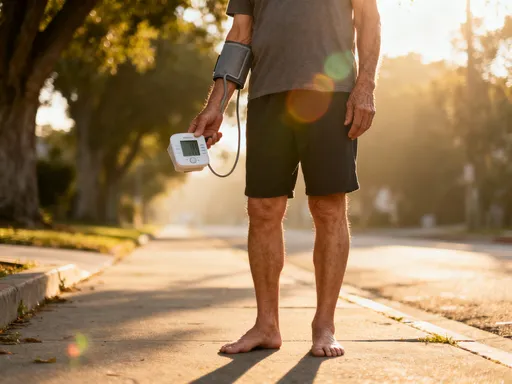
It’s natural to want to track progress, especially when dealing with a silent condition like high blood pressure. But for many, the home blood pressure monitor becomes a source of anxiety rather than empowerment. Some women check their readings multiple times a day, reacting to every slight fluctuation with worry. A reading that’s just a few points higher than usual can trigger a spiral of stress, which in turn raises blood pressure even more. This creates a self-fulfilling cycle: the fear of high numbers actually contributes to higher numbers.
Understanding variability is crucial. Blood pressure naturally changes throughout the day—it’s typically lower at rest and higher during activity, stress, or after meals. Factors like caffeine, talking during measurement, or even a full bladder can temporarily elevate readings. The phenomenon known as “white-coat hypertension”—where blood pressure rises in clinical settings due to anxiety—affects up to 20% of adults, according to the American Heart Association. This means that occasional spikes don’t necessarily indicate poor control; they may simply reflect normal physiological responses.
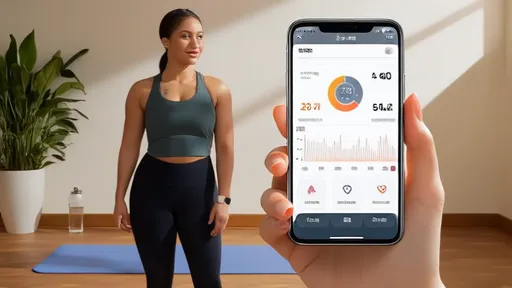
So how should you track your blood pressure mindfully? Experts recommend measuring at the same time each day, ideally in the morning before medication and in the evening, after resting quietly for five minutes. Avoid checking right after an argument, a rushed errand, or a heated conversation. Instead of fixating on single numbers, look for trends over time. A journal or digital app can help you log readings alongside context—what you ate, how you slept, your emotional state. This broader picture offers more insight than any single digit on a screen. The goal isn’t to eliminate variation but to understand it and respond with calm, not panic.
Pitfall #2: Ignoring the Role of Daily Routines
Blood pressure isn’t just influenced by what you eat or whether you take medication. It’s deeply shaped by the rhythm of your day. Yet many women focus solely on diet and pills while overlooking the powerful impact of sleep, hydration, and movement patterns. A disrupted routine—late nights, skipped meals, long hours sitting—can quietly undermine even the best intentions. The body thrives on consistency, and when daily habits are erratic, the cardiovascular system pays the price.
Take sleep, for example. Chronic sleep deprivation is strongly linked to elevated blood pressure. A study from the National Sleep Foundation found that adults who consistently sleep fewer than six hours per night are 20% more likely to develop hypertension over time. But it’s not just about quantity—quality matters too. Fragmented sleep, frequent awakenings, or sleeping in a room that’s too bright or noisy can prevent the deep, restorative rest the body needs to regulate stress hormones like cortisol. When cortisol stays elevated, blood vessels remain constricted, and pressure stays high.
Similarly, hydration plays a subtle but critical role. Dehydration causes the body to retain sodium and constrict blood vessels, both of which increase resistance in the circulatory system. Yet many women, especially those juggling work and family, forget to drink enough water throughout the day. The solution isn’t drastic—it’s practical. Start by placing a water bottle within reach each morning and refilling it twice by midday. Pair hydration with routine activities: drink a glass after brushing your teeth, before meals, or during phone calls.
And then there’s movement—not intense workouts, but the small, frequent motions that keep blood flowing. Sitting for long stretches slows circulation and stiffens arteries. The fix? Build gentle movement into your rhythm. Stand and stretch every hour. Take a five-minute walk after lunch. Park farther from the store. These micro-movements add up, improving vascular flexibility and reducing pressure over time. The key is integration, not isolation—making health-supportive habits part of your day, not an add-on.
Pitfall #3: Overlooking Emotional and Mental Load
For many women, emotional labor is invisible but exhausting. Managing household schedules, absorbing family stress, holding everything together—these responsibilities take a toll that goes beyond fatigue. Chronic emotional strain acts like a slow drip of adrenaline, keeping the nervous system in a state of low-grade alert. This constant activation of the “fight-or-flight” response increases heart rate, constricts blood vessels, and elevates blood pressure over time. Yet this connection is often ignored in favor of more tangible factors like diet or medication.
The mind-body link is well-documented. A 2019 meta-analysis in Psychosomatic Medicine found that individuals with high levels of perceived stress were 33% more likely to develop hypertension over a ten-year period. The effect is especially pronounced in women, who are more likely to internalize stress and less likely to prioritize their own emotional well-being. Worrying about a child’s future, navigating caregiving for aging parents, or managing workplace demands can all contribute to a simmering state of tension that never fully resolves.
The good news is that emotional regulation doesn’t require hours of meditation or therapy (though those can help). Simple, practical strategies can make a real difference. One of the most effective is paced breathing—inhaling slowly for four counts, holding for four, exhaling for six. This technique activates the parasympathetic nervous system, signaling the body to relax. You can do it while waiting in line, sitting in your car, or lying in bed. No special equipment, no extra time—just awareness and intention.
Another powerful tool is setting emotional boundaries. This doesn’t mean withdrawing from relationships, but learning to say no to unnecessary burdens. It means allowing yourself to pause before responding to a demanding request, or stepping away from conversations that drain your energy. It also means giving yourself permission to rest without guilt. When you protect your emotional space, you reduce the internal pressure that so often translates into physical pressure. Over time, this shift can lead to lower readings, better sleep, and a greater sense of calm.
Pitfall #4: Adopting One-Size-Fits-All Diets
When diagnosed with high blood pressure, many women are told to “cut the salt.” While reducing sodium is important for some, the blanket recommendation to avoid all salt can backfire. Some people are more sensitive to sodium than others, and for those who aren’t, overly restrictive diets can lead to frustration, social isolation, and even nutrient imbalances. The real issue isn’t just salt—it’s the overall quality of the diet and the balance of key minerals like potassium, magnesium, and calcium.
The DASH (Dietary Approaches to Stop Hypertension) diet, recommended by the National Heart, Lung, and Blood Institute, emphasizes fruits, vegetables, whole grains, lean proteins, and low-fat dairy. What makes it effective isn’t just what it limits, but what it includes—nutrient-dense foods that naturally support blood vessel health. Potassium, for example, helps counteract the effects of sodium by relaxing blood vessel walls. Foods like bananas, sweet potatoes, spinach, and beans are rich in potassium and can be part of a flavorful, satisfying diet.
The problem arises when women interpret dietary advice too rigidly. Cutting out all salt can make food taste bland, leading to discouragement. Avoiding favorite family recipes or cultural dishes can create a sense of loss and disconnection. The solution isn’t perfection—it’s adaptation. Instead of eliminating salt entirely, focus on reducing processed foods, which account for 70% of sodium in the average diet. Cook more at home, where you control the ingredients. Use herbs, spices, citrus, and vinegar to enhance flavor without relying on salt. And allow yourself to enjoy traditional meals in moderation—health isn’t about giving up your heritage, it’s about honoring it in a sustainable way.
A personalized approach also means listening to your body. Some women find that certain foods—like aged cheeses, cured meats, or restaurant meals—consistently affect their readings. Others notice no change. Keeping a simple food and symptom log can help identify patterns without inducing obsession. The goal is awareness, not restriction. When eating feels like a joyful, flexible practice rather than a series of rules, long-term success becomes possible.
Pitfall #5: Treating Exercise Like Punishment
For many women, the word “exercise” brings up images of grueling gym sessions, sore muscles, and time they don’t have. This perception turns physical activity into a chore, something to dread rather than enjoy. But the truth is, effective blood pressure management doesn’t require intense workouts or expensive equipment. In fact, research shows that moderate, consistent movement is often more beneficial than sporadic, high-intensity efforts.
A landmark study published in Hypertension found that walking 30 minutes a day, five days a week, lowered systolic blood pressure by an average of 5 to 7 mm Hg—a reduction comparable to some medications. The benefits come from improved circulation, reduced arterial stiffness, and better insulin sensitivity. But the key is consistency, not intensity. A leisurely walk around the neighborhood, a session of gentle stretching, or even gardening can all contribute to cardiovascular health. The movement doesn’t have to be structured or tracked—it just has to happen.
The real challenge isn’t finding time for exercise—it’s reframing what exercise means. Instead of seeing it as punishment for eating or sitting too much, view it as a gift to your body. Think of it as moving with purpose and pleasure. Dance while cooking dinner. Take the stairs. Walk while on phone calls. These small choices add up, creating a lifestyle where movement is natural, not forced.
For women who feel too tired or too busy, starting small is essential. Five minutes of stretching in the morning, a short walk after dinner, or a few minutes of deep breathing and shoulder rolls at your desk can make a difference. Over time, these moments build momentum. The goal isn’t to become an athlete—it’s to become more alive, more present, more capable. When activity feels good, not grueling, it becomes sustainable. And when it’s woven into the fabric of daily life, it stops being a task and starts being a rhythm.
Putting It All Together: A Life-Centered Approach to Blood Pressure
Managing blood pressure isn’t about chasing a single number or following a rigid set of rules. It’s about creating a life that supports your well-being from the inside out. The most effective approach isn’t one that demands sacrifice—it’s one that enhances your daily experience. Success isn’t just measured in millimeters of mercury, but in better sleep, more energy, improved mood, and a greater sense of control.
A life-centered strategy means building habits that fit your reality, not someone else’s ideal. It means eating foods you enjoy in a way that nourishes your body. It means moving in ways that feel good, not painful. It means protecting your emotional space and honoring your rhythms. It means using tools like blood pressure monitors wisely, without letting them dominate your peace of mind.
Every woman’s journey is different. Some may benefit from medication, others from lifestyle changes alone. Some may need to reduce sodium, while others thrive with a more balanced approach. The common thread is support—working with a trusted healthcare provider, asking questions, and making informed choices. This isn’t a path to walk alone. Regular check-ins, open communication, and professional guidance ensure that your plan evolves with your needs.
Most importantly, it’s about progress, not perfection. A higher reading one day doesn’t erase the good choices you made the week before. A missed walk or a salty meal isn’t failure—it’s part of being human. The goal is to move forward with kindness, curiosity, and commitment. When you stop seeing blood pressure management as a burden and start seeing it as a form of self-care, everything changes. You’re not giving up your life to protect your health. You’re enriching your life to sustain it.