What Changed My Hair Rehab Journey for Good
Hair isn’t just about looks—it’s a sign of health, confidence, and self-care. After years of damage from heat, stress, and bad habits, I finally hit a breaking point. My strands were brittle, my scalp irritated, and nothing seemed to help. That’s when I started treating hair care like rehabilitation—not a quick fix, but a real recovery process. What I learned transformed not just my hair, but how I see healing. It wasn’t about finding the next miracle serum; it was about changing my mindset. Hair rehab isn’t a trend. It’s a commitment to understanding what your hair has endured and giving it what it truly needs to recover—time, consistency, and compassion.
The Wake-Up Call: When Hair Stops Bouncing Back
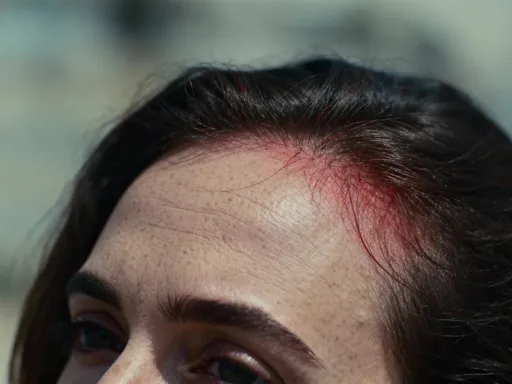
For many women, the moment of realization comes quietly. A brush full of hair. A ponytail that feels thinner than it used to. A part that reveals more scalp than before. These small signs often go unnoticed until they accumulate into something impossible to ignore. For me, it was standing in front of the mirror after washing my hair and seeing how little of it actually held volume. The strands near my temples were frayed, the ends split beyond repair. What I once thought was normal wear and tear turned out to be the result of years of repeated damage.
Modern styling habits—daily blow-drying, flat ironing, bleaching, tight ponytails—do more than alter appearance. They act like repeated injuries to the hair shaft. Each time heat or chemicals are applied, the protective cuticle layer lifts and weakens. Over time, this leads to moisture loss, brittleness, and breakage. The hair doesn’t have time to recover between assaults. What we often mistake for aging or genetics is frequently the long-term effect of these practices, especially when they begin in adolescence and continue for decades.
This is where the idea of hair rehabilitation begins. Instead of chasing the latest product or treatment, rehabilitation shifts the focus from cosmetic correction to genuine healing. It’s not about covering up damage but allowing the hair to rebuild its strength from within. Like recovering from a physical injury, this process requires rest, proper care, and patience. The first step isn’t adding something new—it’s recognizing what’s been done and choosing to stop it.
Why Hair Needs Rehab, Not Just Products
Most hair care routines are built around the idea of quick results. Shampoos promise thicker hair in weeks. Serums claim to repair split ends instantly. While these products may improve appearance temporarily, they rarely address the underlying issues. True recovery doesn’t come from a bottle. It comes from understanding that hair health is deeply connected to overall body health and long-term habits.
Think of hair rehabilitation like physical therapy. If someone injures their knee, they don’t just wear a brace and expect it to heal. They follow a structured plan that includes rest, targeted exercises, and lifestyle adjustments. Hair rehab follows a similar logic. Damaged strands need time to recover. The scalp needs to regain balance. And the body needs the right nutrients to support new growth. Without this foundation, even the most expensive products will fall short.
The scalp plays a role similar to soil in a garden. If the soil is dry, compacted, or inflamed, plants struggle to grow—no matter how much fertilizer you add. In the same way, a congested or irritated scalp can hinder hair growth and weaken existing strands. Conditions like dandruff, buildup from styling products, or poor circulation can all interfere with the hair’s ability to thrive. A healthy scalp environment is essential for strong, resilient hair.
Equally important are internal factors. Hormonal fluctuations, especially during perimenopause and menopause, can significantly affect hair texture and density. Chronic stress raises cortisol levels, which has been linked to hair shedding. Nutritional deficiencies—particularly in protein, iron, and certain vitamins—can slow growth and increase breakage. These aren’t flaws to be hidden; they’re signals that the body needs support. Addressing them is not just good for hair—it’s good for overall well-being.
Clearing the Damage: What to Stop Doing First
One of the most powerful steps in hair rehabilitation is elimination. Before introducing new treatments, it’s essential to remove the practices that are causing harm. This can be difficult, especially when these habits are tied to identity or daily routine. Many women feel pressure to maintain a certain look—smooth, straight, or styled—without realizing the cost to their hair’s health.
Excessive heat is one of the biggest culprits. Blow dryers, flat irons, and curling wands can reach temperatures high enough to literally cook the protein in hair, leading to irreversible damage. Chemical treatments like relaxers, perms, and frequent coloring strip the hair of its natural oils and weaken its structure over time. Even seemingly harmless habits—like brushing wet hair or using tight elastics—contribute to breakage, especially in already fragile strands.
Rehabilitation starts with awareness. Once you recognize these damaging behaviors, you can begin replacing them with gentler alternatives. Switching to a silk or satin pillowcase reduces friction while sleeping, helping to prevent breakage and frizz. Using a wide-tooth comb instead of a brush minimizes tension on wet hair. Air drying, when possible, gives the hair a much-needed break from heat exposure. Protective styles like loose braids or buns reduce daily manipulation and allow the ends to recover.
It’s also important to reevaluate how often you wash and style your hair. Over-washing can strip natural oils, leaving the scalp dry and the hair brittle. On the other hand, allowing too much buildup can clog follicles and create an unhealthy environment. Finding a balanced routine—perhaps washing every 5 to 7 days with a sulfate-free cleanser—can make a noticeable difference. The goal isn’t perfection. It’s progress through consistent, mindful choices.
Building a Hair Rehab Routine: Daily Habits That Heal
With damaging habits minimized, the next phase is building a supportive routine. This isn’t about piling on products. It’s about creating a rhythm of care that nurtures recovery. A well-structured hair rehab routine includes gentle cleansing, consistent moisture, and regular maintenance—all tailored to the hair’s current condition.
Start with cleansing. Choose a mild, sulfate-free shampoo that cleans without stripping. Focus on the scalp, where oil and buildup accumulate, and let the suds run through the lengths as you rinse. Follow with a hydrating conditioner, applying more heavily to the mid-lengths and ends, where damage is most common. For deeper nourishment, a weekly mask with ingredients like shea butter, argan oil, or ceramides can help restore moisture and strengthen the hair shaft.
Moisture retention is key. After washing, apply a leave-in conditioner to damp hair. This creates a protective layer that locks in hydration and reduces frizz. For curly or coily textures, a light oil or cream can further seal in moisture. The goal is to keep hair supple and elastic, which makes it less prone to snapping under tension.
Protective styling plays a crucial role in recovery. Styles like loose twists, buns, or braids minimize daily handling and protect the ends from environmental stress. Think of these as rest periods for the hair—similar to how athletes rest between intense workouts. However, even protective styles can cause damage if they’re too tight or worn for too long. Aim to change styles every week or two and avoid accessories that pull on the scalp.
Regular trims are another essential part of the routine. While it may seem counterintuitive to cut hair when trying to grow it, removing split ends prevents further breakage up the hair shaft. Even a small trim every 8 to 12 weeks can make a big difference in overall appearance and strength. Similarly, scalp massages—done with fingertips for a few minutes a day—can improve circulation, reduce tension, and support a healthier environment for growth.
Fueling Recovery From Within: Nutrition and Lifestyle
No hair care routine is complete without attention to internal health. Hair is made mostly of protein, specifically keratin, so a diet lacking in high-quality protein can directly impact its strength and growth. Iron is another critical nutrient; low levels are a well-documented cause of hair thinning, especially in women. Biotin, vitamin D, zinc, and omega-3 fatty acids also play important roles in maintaining healthy hair follicles and reducing inflammation.
Instead of turning to supplements right away, focus on whole foods. Eggs, lean meats, beans, and lentils provide protein and biotin. Leafy greens, red meat, and fortified cereals are good sources of iron. Fatty fish like salmon deliver omega-3s, while nuts and seeds offer vitamin E and zinc. A varied, balanced diet naturally supports hair health without the risks of over-supplementation.
Hydration is just as important. Water makes up a significant portion of the hair shaft, and dehydration can lead to dryness and brittleness. Drinking enough water throughout the day helps maintain internal moisture levels, which reflects in the hair’s texture and resilience.
Lifestyle factors also matter. Poor sleep disrupts hormone regulation and increases stress hormones, both of which can contribute to hair shedding. Chronic stress, whether from work, family, or other sources, has a measurable impact on the hair growth cycle. Incorporating stress management techniques—such as walking, journaling, meditation, or deep breathing—can support both mental health and hair recovery.
The key is sustainability. Extreme diets or sudden lifestyle overhauls are rarely maintainable. Small, consistent changes—like adding a serving of vegetables to one meal, drinking an extra glass of water, or taking a 10-minute walk—add up over time. Hair recovery isn’t about perfection. It’s about creating a lifestyle that supports healing in a realistic, lasting way.
Tracking Progress: What Improvement Actually Looks Like
One of the biggest challenges in hair rehabilitation is patience. Unlike weight loss or fitness, hair growth is slow and often invisible in the short term. Many women give up because they don’t see immediate changes. But recovery isn’t measured in days or weeks. It’s measured in months and seasons.
Real progress shows up in subtle ways. You might notice less hair in the shower drain. Or you may see new growth along the hairline—tiny, soft strands that weren’t there before. Increased elasticity is another sign: hair that stretches slightly without breaking is healthier than hair that snaps at the slightest pull. These are the quiet victories that signal healing is happening beneath the surface.
Texture changes are also meaningful. Hair may feel softer, look shinier, or hold moisture better. Split ends may become less frequent. Styling might require less product because the hair is in better condition. These improvements are easy to overlook if you’re focused only on length, but they are powerful indicators of recovery.
It’s important to avoid comparing your journey to others. Genetics, age, and starting point all influence how quickly hair responds. Some women see changes in three months; for others, it takes a year or more. What matters is consistency. Sticking to a gentle routine, eating well, and managing stress creates the conditions for improvement—even when it’s not immediately visible.
Keeping a simple journal can help. Take monthly photos under the same lighting. Note how your hair feels, how much you’re shedding, and any changes in routine. Over time, these records can reveal progress that your eyes might miss in the day-to-day. Celebrate small wins. Each one is a sign that your efforts are working.
When to Seek Professional Help: Knowing the Limits
While many hair concerns can be improved with lifestyle and routine changes, some issues require professional evaluation. Sudden or severe hair loss, bald patches, or scalp pain are not normal parts of aging or styling damage. These symptoms may point to underlying medical conditions such as hormonal imbalances, thyroid disorders, autoimmune diseases, or nutritional deficiencies.
A dermatologist or trichologist—a specialist in hair and scalp health—can perform tests to identify the root cause. Blood work can check for iron, vitamin D, thyroid hormones, and other key markers. A scalp examination may reveal signs of inflammation, infection, or scarring that need targeted treatment. In some cases, prescription medications or therapies may be necessary to restore hair health.
It’s important to understand that self-care and professional care are not opposites. They are complementary. A consistent home routine supports recovery, but it cannot replace medical diagnosis or treatment when a condition is present. Seeking help is not a failure. It’s an act of self-respect and a step toward lasting health.
Be cautious of products or programs that promise rapid results. The hair care industry is full of marketing claims that lack scientific backing. If something sounds too good to be true, it probably is. Trust evidence-based approaches and professionals who listen to your concerns and provide clear explanations.
Conclusion: Healing Is a Practice, Not a Destination
The most profound change in my hair rehab journey wasn’t the length or the shine. It was the shift in how I viewed my hair—and myself. I stopped seeing it as a problem to fix and started seeing it as a part of my body that deserved care and patience. This mindset transformed frustration into compassion, and impatience into commitment.
Hair health is not separate from overall well-being. It reflects what we eat, how we manage stress, how we treat our bodies, and how we show up for ourselves day after day. When we approach hair care as rehabilitation, we’re not just healing strands. We’re building a relationship with our bodies based on respect and attention.
There is no finish line. Healing is not a destination. It’s a practice—a daily choice to do what supports long-term health over short-term appearance. It’s choosing the silk pillowcase. It’s skipping the flat iron. It’s eating a balanced meal instead of skipping dinner. These small acts add up.
If you’re in the middle of your own hair rehab journey, know that you’re not alone. Progress may be slow, but every step counts. Be kind to yourself. Celebrate the small changes. Trust the process. With time, consistency, and care, healing is possible—one strand at a time.