How I Fixed My Energy and Mood with Real Food—No Gimmicks, Just Results
Ever feel tired no matter how much you sleep? I did—until I stopped chasing quick fixes and started eating like my body actually mattered. It wasn’t about cutting calories or banning carbs. It was about choosing real, nourishing meals consistently. This shift didn’t just change my energy—it reshaped my entire day, focus, and mood. Here’s how simple, science-backed eating habits can do the same for you.
The Crash-and-Burn Cycle: What Was Wrong with My Old Eating Habits
For years, my days followed the same exhausting pattern: wake up groggy, rush out the door without breakfast, survive on coffee and convenience snacks, then crash by mid-afternoon. I’d reach for a sugary granola bar or a vending machine treat, only to feel shaky and irritable an hour later. Dinner was often whatever was fastest—frozen meals, takeout, or half a sandwich with a side of guilt. I wasn’t eating poorly by accident; I was living in survival mode, and my body paid the price.
The consequences weren’t just physical. I struggled with brain fog that made it hard to concentrate at work, and my mood swung unpredictably. One moment I’d feel fine, the next I’d be overwhelmed by frustration or fatigue. I didn’t connect these symptoms to food—until a routine checkup revealed nothing medically wrong. My doctor suggested looking at lifestyle factors, especially diet. That was the wake-up call I needed.
What I eventually learned was that my eating habits were destabilizing my blood sugar. Skipping meals led to low glucose levels, which caused fatigue and difficulty focusing. When I finally ate, it was often high in refined carbohydrates and sugar, causing a rapid spike in blood sugar followed by a sharp drop. This rollercoaster effect is well-documented in nutritional science and directly linked to energy crashes, irritability, and cravings. Over time, these patterns can also contribute to insulin resistance and chronic inflammation, both of which affect mental clarity and emotional balance.
Equally important was the lack of essential nutrients in my diet. I wasn’t getting enough fiber, healthy fats, or key vitamins and minerals. Without adequate B vitamins, magnesium, and omega-3 fatty acids—nutrients critical for energy production and nervous system function—my body simply couldn’t perform at its best. I wasn’t hungry in the traditional sense, but I was running on empty, like a car with low oil and bad fuel. The realization wasn’t dramatic—it was quiet and persistent: I had been neglecting the most basic form of self-care.
Why Food Is More Than Fuel: The Mind-Body Connection
It’s easy to think of food as mere fuel—something that keeps us going from one task to the next. But the truth is far more profound: food shapes our biology, especially our brain chemistry and emotional regulation. What we eat directly influences the production of neurotransmitters like serotonin and dopamine, which govern mood, motivation, and calm. When nutrition is poor, these systems falter, leading to low mood, anxiety, and mental fatigue.
One of the most important discoveries in modern nutrition is the gut-brain axis—the two-way communication network between the digestive system and the brain. The gut is often called the “second brain” because it contains millions of neurons and produces many of the same chemicals found in the central nervous system. A healthy gut microbiome, supported by fiber-rich, diverse foods, helps regulate inflammation and supports stable mood. On the other hand, a diet high in processed foods can disrupt this balance, increasing systemic inflammation, which studies have linked to depression and cognitive decline.
Specific nutrients play outsized roles in mental and physical energy. Omega-3 fatty acids, found in fatty fish, flaxseeds, and walnuts, are essential for brain cell structure and function. Research shows they can reduce symptoms of depression and improve focus. B vitamins, particularly B6, B9 (folate), and B12, are involved in energy metabolism and the synthesis of mood-regulating chemicals. Magnesium, often called the “relaxation mineral,” supports nerve function and helps regulate stress hormones. And fiber, while often associated with digestion, also stabilizes blood sugar and feeds beneficial gut bacteria, creating a ripple effect on overall well-being.
The analogy I came to rely on is simple: your brain runs on the same groceries as your body—junk in, junk out. If you feed it processed foods loaded with sugar and unhealthy fats, it performs poorly. If you give it whole, nutrient-dense foods, it functions with clarity and resilience. This isn’t about willpower or discipline; it’s about biology. When I began to see food as information for my body, not just pleasure or convenience, everything changed. I wasn’t just eating to satisfy hunger—I was nourishing a complex system that responded directly to what I put on my plate.
The Real Meal Framework: Building Balanced Plates Without Stress
Once I understood the importance of nutrition, the next challenge was making it practical. I didn’t want another rigid diet or complicated meal plan. What I needed was a simple, flexible framework—one that could work on busy mornings, chaotic evenings, and everything in between. That’s when I developed my “Real Meal Formula”: a plate built on four pillars—protein, healthy fat, fiber-rich carbohydrates, and color.
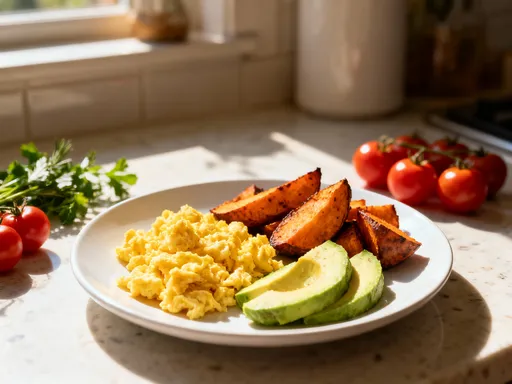
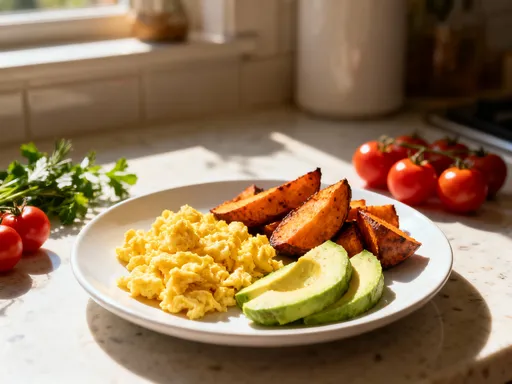
Protein is the foundation. It helps stabilize blood sugar, supports muscle repair, and keeps you feeling full longer. I aim for a palm-sized portion at each meal—options like eggs, Greek yogurt, chicken, tofu, or beans. Healthy fats are equally crucial. They provide sustained energy, support brain health, and help absorb fat-soluble vitamins. I include sources like avocado, olive oil, nuts, or seeds in every meal. Fiber-rich carbohydrates—such as sweet potatoes, brown rice, oats, or fruit—offer slow-releasing energy and support gut health. And finally, color: a variety of vegetables and fruits that deliver antioxidants, vitamins, and phytonutrients.
Here’s what this looks like in real life. For breakfast, I might have scrambled eggs with spinach and tomatoes, half an avocado, and a slice of whole-grain toast. Lunch could be a large salad with grilled chicken, chickpeas, cucumbers, bell peppers, and a drizzle of olive oil and lemon. Dinner might be baked salmon with roasted Brussels sprouts and quinoa. Snacks are simple: apple slices with almond butter, Greek yogurt with berries, or a handful of mixed nuts. These meals aren’t exotic or time-consuming—they’re realistic, satisfying, and designed to keep energy steady throughout the day.
The key is consistency, not perfection. I don’t stress if one meal isn’t perfectly balanced. What matters is the overall pattern. This approach also prevents burnout because it allows flexibility. I can adapt recipes based on what’s in season or what I have on hand. I don’t feel deprived, and I don’t feel guilty. Over time, this way of eating became less of a “change” and more of a natural rhythm. The result? Fewer cravings, more stable energy, and a noticeable improvement in my mood and focus. My body wasn’t just surviving—it was thriving.
Timing and Rhythm: When You Eat Matters as Much as What You Eat
Even with better food choices, I still hit energy slumps until I paid attention to timing. I realized that skipping breakfast wasn’t saving me time—it was setting me up for fatigue and poor decisions later. Irregular eating disrupts metabolic rhythm, making it harder for the body to manage blood sugar and energy levels. When meals are erratic, the body stays in a state of stress, releasing cortisol and adrenaline, which can lead to anxiety and disrupted sleep.
I started prioritizing regular meals—three main ones and one or two small snacks, spaced roughly every 3–4 hours. This didn’t mean eating constantly, but rather honoring my body’s natural hunger cues and maintaining a steady flow of nutrients. The change was subtle at first, but within a week, I noticed I wasn’t reaching for coffee by 10 a.m. or crashing after lunch. My energy became more predictable, and my concentration improved.
To make this sustainable, I built in real-life strategies. On Sundays, I began batch cooking—roasting a tray of vegetables, grilling chicken, or preparing a pot of quinoa. I stored portions in glass containers, ready to be reheated or assembled into meals. Leftovers became a resource, not a burden. I also started “fridge prep”—washing and chopping vegetables, portioning out nuts, or making hard-boiled eggs so that healthy options were visible and easy to grab. These small acts of planning reduced decision fatigue, especially on busy or stressful days when willpower is low.
The impact went beyond energy. When I stopped skipping meals, my relationship with food improved. I was less likely to overeat at dinner because I wasn’t ravenous. I made fewer impulsive choices, like grabbing a muffin at the coffee shop because I was starving. Structure created freedom. I wasn’t tied to a rigid schedule, but I had a rhythm that supported my well-being. Eating became intentional, not reactive. And that shift—showing up for myself with regular, nourishing meals—sent a quiet but powerful message: I matter.
Beyond the Plate: Sleep, Movement, and the Ripple Effect of Better Eating
One of the most surprising outcomes of changing my diet was how it improved other areas of my life. I didn’t set out to sleep better or move more—but those changes happened naturally. As my energy stabilized, I found myself less reliant on caffeine and more in tune with my body’s natural rhythms. I began going to bed earlier because I wasn’t wired from sugar or crashing from fatigue. My sleep became deeper and more restorative.
With better rest came more motivation to move. I didn’t start running marathons or joining intense fitness classes. Instead, I began taking daily walks—short at first, then longer as my stamina improved. Movement felt good, not like a chore. And the more I moved, the better I digested my food, which in turn improved my energy and mood. It became a positive feedback loop: good food led to more energy, which led to light exercise, which supported better digestion, which enhanced mental clarity and emotional balance.
This wasn’t about extreme transformation. It was about small wins that compounded over time. I didn’t need to overhaul my life overnight. I just needed to start with one meal, one choice, one habit. What I learned is that food isn’t isolated—it’s part of a larger system. When you improve one element, others begin to align. Better nutrition made it easier to prioritize sleep. Better sleep made it easier to choose healthy foods. And both made it easier to move my body with joy, not guilt.
Viewing food as part of a holistic lifestyle shifted my mindset. I wasn’t just “eating clean” to look a certain way—I was caring for myself in a way that supported long-term well-being. The changes weren’t dramatic, but they were lasting. I felt calmer, more focused, and more in control. And that sense of balance became its own reward.
The Pitfalls I Fell Into (And How I Got Back on Track)
Change is rarely linear. There were days I fell back into old patterns—skipping meals, eating emotionally, or giving in to social pressure. Holidays, family gatherings, and stressful weeks tested my consistency. I used to see these moments as failures, proof that I lacked willpower. But over time, I learned to reframe them. Slip-ups aren’t the end of progress—they’re part of the process.
One of my biggest traps was all-or-nothing thinking. If I ate something “off-plan,” I’d tell myself the day was ruined and give up until the next morning. This mindset only led to guilt and shame, which made it harder to restart. What helped was redefining success. Progress isn’t perfection. It’s showing up again, even after a misstep. I adopted the “2-meal rule”: if I made a poor choice, I committed to making the next two meals balanced and nourishing. This simple reset kept me on track without spiraling.
I also learned to recognize emotional eating. Stress, boredom, or loneliness would sometimes drive me to the pantry, not because I was hungry, but because I needed comfort. Instead of judging myself, I began asking, “What do I really need right now?” Sometimes it was a glass of water, a five-minute stretch, or a phone call with a friend. Other times, it was permission to eat something comforting—without turning it into a binge. Normalizing these moments removed the shame and made it easier to return to balance.
Practical tools helped too. I started doing a hydration check—drinking a glass of water before eating, since thirst is often mistaken for hunger. I also began taking a short walk after meals, which helped with digestion and provided a mental reset. These small actions didn’t fix everything, but they gave me a sense of agency. I wasn’t helpless. I had strategies. And that made all the difference.
Making It Last: Turning Changes into Lifelong Habits
Willpower is fleeting. I learned that early on. What lasts isn’t motivation, but systems. The most powerful changes came not from short-term effort, but from designing a lifestyle that made healthy choices easy and automatic. That meant changing my environment, not just my behavior.
I started by restocking my kitchen. I removed processed snacks, sugary cereals, and foods I knew would tempt me when I was tired or stressed. Instead, I filled my pantry and fridge with whole foods—canned beans, frozen vegetables, oats, nuts, and spices. When healthy options are visible and accessible, they become the default choice. I also invested in simple tools—a good knife, a cutting board, reusable containers—that made meal prep easier and more enjoyable.
Habit stacking was another game-changer. I paired new eating habits with existing routines. For example, I started making my morning smoothie right after brushing my teeth—so it became part of my morning sequence. I linked meal planning to my weekly calendar review, so it felt like a natural part of organizing my week. These small connections made new behaviors stick without relying on willpower.
Most importantly, I shifted my mindset from “diet” to “daily self-care.” This wasn’t about losing weight or fitting into a certain size. It was about showing up for myself with kindness and consistency. Eating well became an act of respect for my body and my life. Over time, this way of eating stopped feeling like a change and started feeling like home.
Today, I don’t follow a perfect plan. Some days are better than others. But the foundation is strong. I know what works for me, and I have the tools to stay on track. The energy, clarity, and calm I’ve gained aren’t temporary—they’re the result of daily choices that honor my health. And that, more than any quick fix, is what real transformation looks like.